Top Medical And Surgical Lighting Solutions for Your Needs?
In the demanding world of healthcare, effective lighting is essential. Medical And Surgical Lighting directly impacts clinical outcomes. It influences visibility, precision, and overall safety during procedures. Surgeons depend on high-quality light sources for accurate assessments. The right lighting ensures that even the smallest details are visible.
Choosing the best medical and surgical lighting can be challenging. There are various types on the market, each with unique features. LED options are popular due to their longevity and brightness. However, some options may overheat, which can be an issue during lengthy surgeries. Moreover, the light's position can affect shadowing and clarity.
Healthcare facilities must reflect on their current solutions. Are the lights meeting the demands of modern procedures? Are staff comfortable with their settings? Regular assessments of medical and surgical lighting systems can lead to improved performance. It’s a critical aspect that deserves careful consideration.
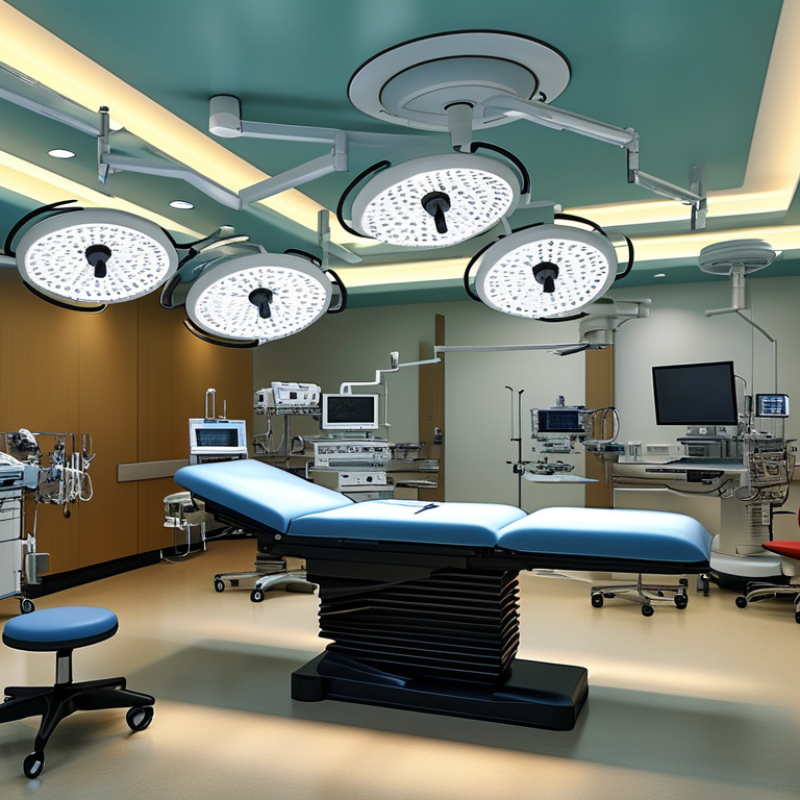
Key Features of Modern Surgical Lighting Technologies
Modern surgical lighting technologies play a crucial role in enhancing the precision of medical procedures. Key features include adjustable brightness and color temperature. These allow surgeons to see fine details clearly. Good lighting can improve outcomes in complex surgeries. It aids in reducing errors, thus increasing patient safety.
Investing in advanced lighting is beneficial. Ensure that the lighting system has the ability to minimize shadows. Consider designs that enable easy adjustment without compromising sterility. Look for systems that offer optimal illumination without heat. Heat can cause discomfort or burn risks during sensitive operations.
Tips: Always review user feedback on lighting systems. Specialists often share valuable insights. Regular maintenance of lighting equipment is essential. Dimming capabilities can be particularly useful during delicate moments in surgery. Seek options that include built-in backup features to prevent sudden failures. Reliable lighting is not something to overlook in a surgical environment.
Types of Medical Lighting Solutions for Various Clinical Settings
In clinical settings, proper lighting is crucial for precision and safety. Different areas require specific lighting solutions to meet diverse needs. Exam rooms often use bright, adjustable LED lights. These lights enhance visibility during patient examinations and procedures. Surgical theaters, on the other hand, rely on powerful surgical lights. They provide focused illumination, ensuring that every detail is clear for the surgical team.
Diagnostic areas benefit from ambient lighting that reduces strain on both patients and staff. Soft, diffuse lights create a calming environment. However, too much dimming can hinder proper assessments. Balancing brightness and comfort is essential.
In intensive care units, lighting must be flexible. Staff requires bright lights for alerts but softer lights for patient comfort.
Emergency rooms demand high-intensity task lighting. This ensures quick, accurate care during critical situations. Yet, while adequate lighting is vital, it can also create glare. Careful design choices help overcome this issue.
Finally, ongoing evaluation of lighting systems in healthcare is necessary. Regular updates can enhance functionality and patient experience.
Industry Standards and Regulations Governing Surgical Lighting
Surgical lighting is crucial in medical environments. Compliance with industry standards ensures that lighting systems are functional and safe. The American National Standards Institute (ANSI) sets guidelines for lighting in operating rooms. Proper illumination can minimize errors and improve surgical outcomes.
According to a 2022 report from the International Federation of Medical and Biological Engineering, optimal surgical lighting should have a color rendering index (CRI) of 90 or higher. This level enhances tissue visualization. Additionally, lighting should be adjustable to accommodate different surgical procedures.
Tip: Ensure your surgical lighting systems are equipped with dimming capabilities. This allows adaptability for various surgical situations.
When selecting lighting solutions, consider energy efficiency. LED systems consume less power and generate less heat. However, the upfront investment can be higher. Reflect on the long-term savings and benefits.
Tip: Regular maintenance is critical for sustaining lighting performance. Allocate resources for periodic checks to ensure compliance with established safety standards.
Impact of Lighting Quality on Surgical Outcomes and Patient Safety
Lighting quality in surgical environments significantly affects outcomes. Bright, shadow-free light helps surgeons see details clearly. Poor lighting can lead to mistakes or complications during procedures. A study found that inadequate lighting increased the risk of surgical errors. Attention to lighting should not be overlooked.
Surgical lighting solutions should enhance visibility without causing glare. Proper color rendering is crucial to differentiate tissues accurately. Many facilities still use outdated systems that might not offer this clarity. Surgeons might find it challenging to perform delicate procedures under these conditions. Reflecting on how lighting affects surgical precision is essential for improving patient safety.
Selecting the right lighting should be based on specific needs. Factors include the type of surgery and the complexity involved. Ongoing training on lighting use is often neglected. Facilities must invest in both technology and education to ensure optimal outcomes. A focus on these aspects can make a significant difference in patient safety and surgical success.
Emerging Trends and Innovations in Medical Lighting Solutions
The medical lighting sector is witnessing significant advancements. According to industry reports, LED surgical lights are expected to constitute over 70% of the market by 2025. This shift highlights a growing preference for energy-efficient solutions. These lights offer superior illumination quality, which enhances surgical precision and safety.
Emerging trends show increasing integration of smart technologies in medical lighting. For instance, adaptive lighting systems adjust brightness based on the procedure type. Hospitals adopting such innovations reported a 30% increase in operational efficiency. Yet, challenges remain. Ensuring compatibility across various surgical settings is a complex task.
Moreover, the trend toward portable lighting systems is promising. These solutions enhance accessibility in emergency care. Data suggests that over 40% of healthcare professionals see a need for improved mobile lighting options.
The evolution of medical lighting not only aims to meet aesthetic needs but also focuses on patient outcomes. This intricate balance requires continuous evaluation and adaptation.