Global buyers searching for reliable Natural Extracts suppliers need more than a polished website or an attractive price. They need evidence that each botanical is correctly identified, carefully processed, and consistently documented. Mark Blumenthal, founder and executive director of the American Botanical Council, has said, “Quality is the foundation of trust.” That principle remains practical when evaluating suppliers across different markets.
A dependable supplier should provide the plant’s scientific name, country of origin, extraction method, solvent details, and active-compound specifications. A clear certificate of analysis should match the exact batch shipped. Look for testing records covering heavy metals, pesticides, microbial limits, and residual solvents. These details matter when brown powder arrives in sealed drums, not merely in a product brochure.
Traceability matters.
Experienced buyers should also review stability data, packaging controls, storage conditions, and production certifications. Independent laboratory verification can reveal gaps that internal documents miss. Supplier audits, sample comparisons, and small pilot orders provide useful real-world evidence before long-term contracts begin. However, no supplier is perfect, and no certificate removes every commercial risk. Documentation may be incomplete, translated poorly, or updated too slowly. That weakness deserves honest attention.
This guide examines leading Natural Extracts suppliers for global buyers, focusing on technical capability, quality systems, transparency, production capacity, and communication. It does not treat one certification as automatic proof of excellence. Instead, it considers how suppliers perform under practical scrutiny, from raw-material sourcing to final delivery. That approach helps buyers make informed, lawful, and commercially responsible decisions in a complex international market.
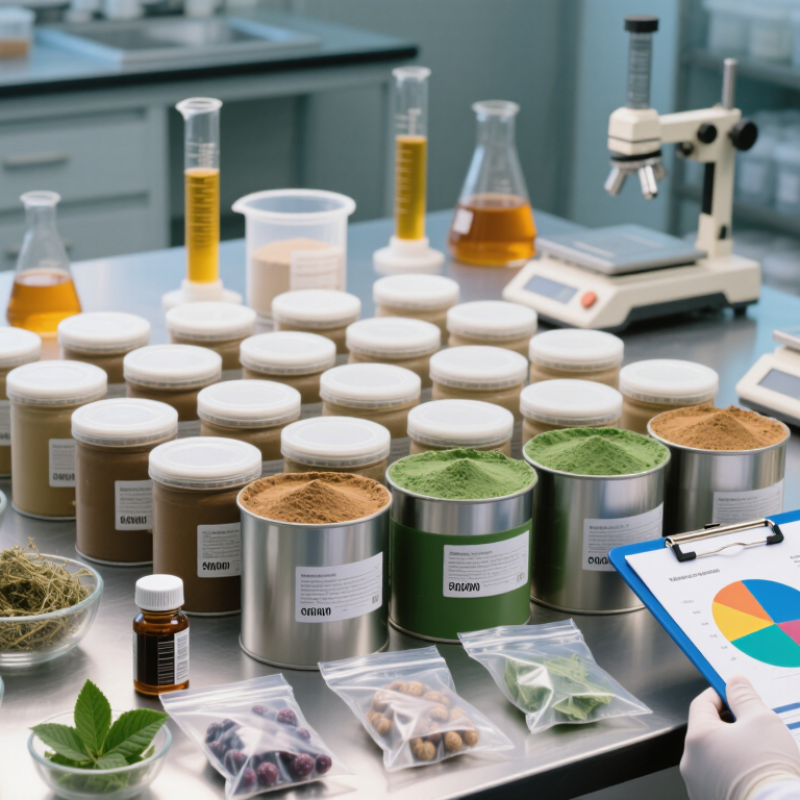
Natural extracts are concentrated substances obtained from plants, fruits, herbs, flowers, or other permitted natural materials. Suppliers may use water, ethanol, or another approved extraction method. The method changes the extract’s color, aroma, strength, and stability. For example, a botanical powder may dissolve slowly in a beverage, while a liquid extract blends more easily. Buyers should review the plant part, extraction ratio, marker compounds, and storage conditions. A natural label is not a quality guarantee. It can still hide variation between harvests.
Global buyers need natural extracts for food, beverages, cosmetics, and other compliant products. They need consistent supply, but agriculture rarely behaves consistently. Weather, soil, drying temperatures, and harvest timing can alter the final profile. Reliable suppliers should provide batch testing, certificates of analysis, traceability records, allergen details, and clear packaging information. Testing should cover identity, microbial limits, heavy metals, pesticides, and residual solvents where relevant. Documentation matters during customs clearance and regulatory review. It also helps product developers adjust formulas with confidence. In practice, buyers sometimes focus too heavily on price. That can create higher costs later through rejected batches, weak color, or unexpected sediment. Even experienced teams can miss a small specification change. A careful supplier asks questions about dosage, target market, shelf life, and intended application before quoting. Small details often decide whether an extract performs well in a finished product.
| Extract Category | Common Botanical Source | Key Natural Compounds or Markers | Typical Extraction Method | Common Commercial Forms | Main Industry Applications | Why Global Buyers Need It | Important Supplier Capabilities | Documents and Quality Checks |
|---|---|---|---|---|---|---|---|---|
| Turmeric Extract | Curcuma longa rhizome | Curcuminoids, including curcumin, demethoxycurcumin, and bisdemethoxycurcumin | Solvent extraction, followed by concentration and drying | Powder Oleoresin Liquid extract | Food supplements, functional foods, beverages, cosmetics, and natural color systems | Provides a recognizable botanical ingredient with antioxidant-related positioning and natural yellow-orange color | Stable curcuminoid standardization, protection from light and moisture, and control of residual solvents | Certificate of analysis, botanical identity testing, heavy-metal testing, microbiological results, pesticide screening, and allergen statement |
| Green Tea Extract | Camellia sinensis leaves | Catechins, including epigallocatechin gallate, caffeine, and total polyphenols | Water or hydroalcoholic extraction with concentration and spray drying | Standardized powder Liquid extract Decaffeinated extract | Dietary supplements, sports nutrition, beverages, personal care, and functional foods | Supports demand for plant-based polyphenols and allows product developers to select caffeine or decaffeinated grades | Reliable catechin and caffeine specification, oxidation control, and traceable tea-leaf sourcing | Certificate of analysis, identity testing, polyphenol profile, caffeine result, microbiology, pesticide screening, and country-of-origin information |
| Ginger Extract | Zingiber officinale rhizome | Gingerols, shogaols, and volatile ginger essential-oil compounds | Water extraction, hydroalcoholic extraction, or oleoresin production | Powder Oleoresin Liquid extract | Digestive products, beverages, confectionery, supplements, and traditional herbal formulations | Offers a familiar flavor profile and botanical identity for digestive, warming, and functional-product concepts | Control of pungency, moisture, microbial load, and consistency of gingerol-related markers | Certificate of analysis, botanical authentication, moisture result, microbiology, pesticide testing, and contaminant screening |
| Rosemary Extract | Rosmarinus officinalis or Salvia rosmarinus leaves | Carnosic acid, carnosol, and rosmarinic acid | Food-grade solvent extraction, water extraction, or controlled concentration | Antioxidant extract Powder Liquid extract | Food preservation, edible oils, meat products, cosmetics, and personal care formulations | Helps manufacturers develop label-friendly antioxidant systems for products vulnerable to oxidation | Clear marker specification, low odor or flavor options where required, and compatibility with the target food or cosmetic matrix | Certificate of analysis, active-marker result, residual-solvent statement, microbiology, pesticide screening, and regulatory-use documentation |
| Milk Thistle Extract | Silybum marianum seeds | Silymarin complex, including silybin, silydianin, and silychristin | Solvent extraction and purification of seed constituents | Standardized powder Granules Capsule-ready blend | Herbal supplements and botanical wellness formulations | Provides a standardized botanical ingredient for products requiring consistent active-marker content between batches | Accurate silymarin assay, protection from oxidation, and reliable control of seed impurities | Certificate of analysis, HPLC or equivalent marker profile, identity testing, microbiology, heavy metals, pesticides, and stability data |
| Grape Seed Extract | Vitis vinifera seeds | Proanthocyanidins, also called oligomeric procyanidins, and total polyphenols | Water or hydroalcoholic extraction with filtration and drying | Fine powder Standardized extract Granules | Supplements, functional beverages, cosmetics, and antioxidant formulations | Supports clean-label and plant-polyphenol product development while using a by-product of the grape-processing industry | Validated polyphenol or proanthocyanidin assay, low-moisture processing, and control of bitterness and color | Certificate of analysis, identity testing, active-marker assay, microbiology, pesticide screening, heavy metals, and origin traceability |
| Elderberry Extract | Sambucus nigra berries | Anthocyanins, flavonoids, and berry polyphenols | Water extraction, concentration, and spray drying or freeze drying | Powder Syrup base Liquid concentrate | Immune-support products, gummies, syrups, beverages, and functional foods | Meets demand for colorful fruit-based ingredients with a recognizable botanical and food-friendly profile | Anthocyanin standardization, color stability, low-temperature processing, and protection from oxidation | Certificate of analysis, botanical authentication, anthocyanin assay, microbiology, pesticide testing, and food-safety documentation |
| Aloe Vera Extract | Aloe barbadensis leaf | Polysaccharides, including acemannan, together with naturally occurring minerals and phenolic constituents | Gel processing, filtration, concentration, and drying; decolorized grades may receive additional treatment | Powder Gel Liquid concentrate | Cosmetics, beverages, personal care, and topical formulations | Provides a versatile plant-based ingredient for moisturizing, soothing, and beverage applications | Control of aloin, microbiological quality, polysaccharide content, processing temperature, and preservative system | Certificate of analysis, botanical identity, aloin result, microbiology, heavy metals, pesticide screening, and preservative declaration |
| Ashwagandha Extract | Withania somnifera roots and, where specified, leaves | Withanolides and other steroidal lactones | Water or hydroalcoholic extraction followed by concentration and drying | Root extract powder Standardized extract Liquid extract | Botanical supplements, sports nutrition, wellness products, and functional formulations | Allows buyers to formulate products around standardized botanical markers and clearly defined plant parts | Separate root and leaf specifications, validated withanolide assay, traceable cultivation, and contaminant control | Certificate of analysis, plant-part declaration, identity testing, withanolide profile, microbiology, pesticides, heavy metals, and stability information |
| Ginkgo Biloba Extract | Ginkgo biloba leaves | Flavone glycosides and terpene lactones | Water-acetone or hydroalcoholic extraction with purification and drying | Standardized powder Tableting grade Capsule-ready material | Botanical supplements and cognitive-health formulations | Offers a standardized botanical option for products that require defined marker compounds and controlled impurity levels | Consistent flavone-glycoside and terpene-lactone content, control of ginkgolic acids, and strong batch traceability | Certificate of analysis, marker assay, ginkgolic-acid result, identity testing, microbiology, heavy metals, pesticides, and stability data |