Blog

How to Use Konjac in a Keto Diet?

Konjac is often sold as shirataki noodles, rice, or flour, offering a low-carbohydrate option for people planning keto meals. Its main fiber, glucomannan, absorbs water and gives noodles their springy, slightly slippery texture. The Konjac Keto Diet can make room for filling dishes, but “low carb” does not mean every product has identical nutrition. Check the serving size and ingredient list. Labels vary.

Harvard Health Publishing describes ketogenic diets as typically limiting carbohydrate intake to roughly 20–50 grams daily, though individual needs differ. That leaves little room for guesswork. The U.S. Food and Drug Administration sets the Daily Value for fiber at 28 grams on a 2,000-calorie diet; this is a reference point, not a personal target. Compare the label’s total carbohydrate and fiber figures, and follow the counting method recommended for your diet. A sauce can change the meal quickly: sweetened stir-fry sauce may add carbohydrates that plain konjac noodles do not.

Small details matter. Rinse and prepare konjac products as directed, then pair them with protein, vegetables, and a satisfying sauce. Some people find glucomannan-heavy foods uncomfortable at first, so a smaller portion may be sensible. It is not a magic shortcut. This guide explores practical ways to use konjac in keto meals, while recognizing that product labels and personal tolerance deserve a closer look.
How to Use Konjac in a Keto Diet?

Define Konjac and Glucomannan: The Fiber Behind Its Keto Uses

Konjac is a tuberous plant whose corm is processed into foods such as shirataki noodles and konjac rice. Glucomannan is the main soluble fiber in the konjac root. The two terms are related, but they are not interchangeable: konjac names the plant and its foods, while glucomannan names the fiber. That distinction matters.

Glucomannan absorbs water and forms a thick, gel-like texture. In a bowl, shirataki noodles can look almost translucent and feel pleasantly springy, though their texture is not for everyone. Because the fiber contributes little digestible carbohydrate, plain konjac foods can fit into many keto meal plans. Not automatically, though. Sauces, seasonings, and added starches can change the carbohydrate count, so check the package and serving size.

Konjac can add bulk, but it does not replace the protein, fats, and varied vegetables that help make meals satisfying. A large portion may also cause bloating or digestive discomfort, especially for someone unaccustomed to much fiber. Start with a modest serving, rinse and prepare the noodles as directed, and notice how your body responds. It is tempting to call konjac a “free” keto food; that shortcut overlooks both the label and the person eating it.
Check Shirataki Labels Against Keto’s Common 20–50 g Net-Carb Limit

Shirataki noodles are often low in digestible carbohydrate, but the package label matters more than the word “konjac.” Keto plans commonly use a daily limit of 20–50 grams of net carbs, though personal needs and targets vary. Small print matters.

Check the serving size before doing the math. A pouch may contain two servings, and the listed amount may refer to noodles before draining. If a serving shows 4 grams of total carbohydrate and 3 grams of fiber, that is about 1 gram net carbohydrate under the usual calculation. Eat the whole two-serving pouch, and the estimate becomes about 2 grams. It is easy to overlook that second serving when the noodles sit in one small tray.

Compare total carbohydrate and fiber on the label rather than trusting a “net carb” claim alone. Label formats can differ, and sugar alcohols should not automatically be subtracted without checking the type and amount. Then account for what goes in the bowl: a sweetened sauce, thickener, or other topping can add more carbs than the noodles. I would recheck the arithmetic when serving sizes or ingredients are unclear; package labels are not always as intuitive as they look.

Prepare Konjac Noodles: Rinse, Drain, and Dry-Fry Before Seasoning

Konjac noodles can suit a keto meal, but check the nutrition label rather than assuming every packet has the same net carbohydrates. Rinse the noodles under cold water for about 30 seconds, then drain them well. They often smell faintly earthy straight from the pouch. That usually fades during rinsing and cooking. EFSA’s 2010 scientific opinion on glucomannan assessed a 3-gram daily intake, divided into three doses, in a specific weight-management context. That finding does not mean a serving of konjac noodles provides 3 grams or guarantees a health effect.

For better texture, place the drained noodles in a dry, hot skillet and stir for two to four minutes. Stop when surface moisture has evaporated and the noodles feel less slippery. Texture matters. Add sauce, salt, or spices afterward; seasoning too early can leave the dish watery. In practice, they may remain pleasantly springy, not pasta-soft. I would not promise otherwise. For keto tracking, count the serving’s carbohydrate information from its own label, and check how fiber is listed where you live. A rich sauce can add more carbohydrates than the noodles, so measure it rather than pouring freely.

Use Glucomannan Safely: EU Guidance Specifies 1 g Before Meals, With Water

Konjac can fit a keto meal through shirataki noodles, which are low in digestible carbohydrates and have a springy, slightly slippery texture. The root contains glucomannan, a soluble fiber that absorbs water. Food portions and glucomannan supplements are not interchangeable. Check the nutrition label, since products and serving sizes vary.

For glucomannan supplements, EU-authorized weight-loss claim conditions specify 1 g before each of three daily meals, taken with 1–2 glasses of water and as part of an energy-restricted diet. This is not a general keto dosage. Water matters. Taking the fiber with too little liquid can create a choking risk, especially for people with swallowing difficulties. Ask a healthcare professional before using it if you have a medical condition or take medicines.

Tips: Start with a small serving of konjac noodles and rinse them well; their texture can take getting used to. For supplements, follow the label and drink the stated amount of water immediately. Don’t take glucomannan dry. I’d treat it as an optional fiber, not a shortcut to ketosis or weight loss.

Build Konjac Keto Meals with Protein, Healthy Fats, and Low-Carb Vegetables

How to Use Konjac in a Keto Diet?

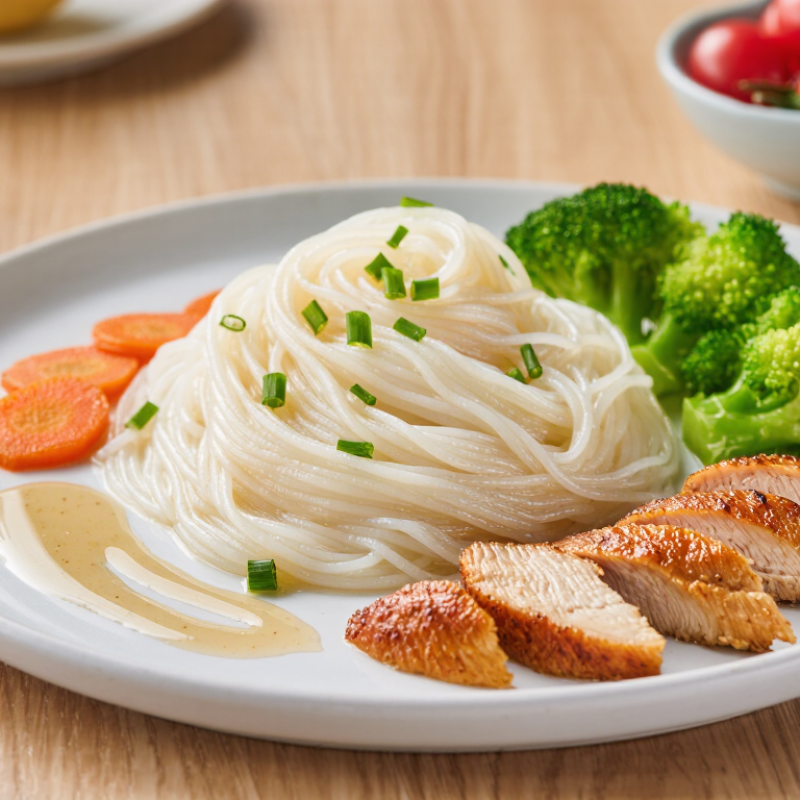
Konjac noodles make a useful base, but they provide little protein or fat. Build a more satisfying bowl with grilled chicken, eggs, tofu, or salmon, then add olive oil, sesame oil, or avocado. For a practical carb check, USDA FoodData Central lists raw broccoli at about 6.6 grams of carbohydrate and 2.6 grams of fiber per 100 grams. Raw avocado has about 8.5 grams of carbohydrate and 6.7 grams of fiber per 100 grams. Values vary by variety and serving size, so check your portions and food labels. Keto carbohydrate limits also differ between people.

Rinse and drain konjac noodles well, then dry-fry them briefly before adding sauce. This helps reduce excess moisture. Add sliced mushrooms, spinach, or zucchini, and keep sauces simple; sweetened dressings can raise the carbohydrate count. A slippery texture may take getting used to. That part is easy to underestimate.

Tips: Pair one serving of konjac with a clear protein portion and a measured fat source. Check the package label, since noodle ingredients and nutrition can vary. Don’t assume “low carb” means nutritionally complete.

Botanical Extracts Manufacturing | Manfacture botanical extracts for supplements.