How to Use Pumpkin Seed Protein for Maximum Health Benefits?
Pumpkin Seed Protein has gained attention for its numerous health benefits. Recent studies indicate that plant-based proteins, including pumpkin seed protein, are vital for a balanced diet. According to the Plant-Based Foods Association, sales of plant proteins grew by over 30% in 2021, reflecting a rising demand among health-conscious consumers.
Rich in nutrients, pumpkin seed protein offers a high concentration of magnesium, zinc, and omega-3 fatty acids. Research published in the Journal of Nutrition suggests that these nutrients contribute to improved heart health and enhanced immune function. Despite these advantages, many people are still unaware of how to incorporate this protein effectively into their diets.
While pumpkin seed protein can be beneficial, it is not a complete protein. This means it lacks some essential amino acids required by the body. Thus, it is important to combine it with other protein sources for optimal health. Finding a balance in your diet can be challenging. With the right approach, pumpkin seed protein can be a valuable addition to your nutrition plan.
Understanding Pumpkin Seed Protein and Its Nutritional Profile
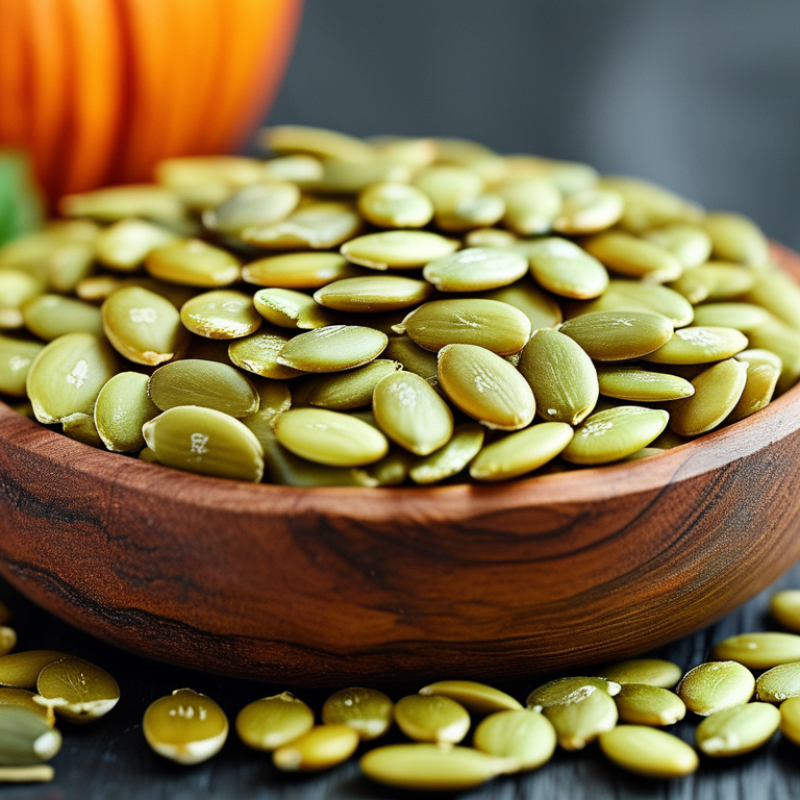
Pumpkin seed protein is gaining attention for its impressive nutritional profile. This plant-based protein source is rich in essential amino acids, making it an excellent choice for both vegans and vegetarians. A single serving provides a generous amount of magnesium, iron, and zinc. These minerals play vital roles in overall health, including immune function and energy production.
Including pumpkin seed protein in your diet can be simple. Add it to smoothies or oatmeal for an extra nutritional boost. You can also mix it into baked goods, enhancing both flavor and nutrient density. However, some people may find it has a slightly earthy taste. Adjusting the amount can help balance the flavors.
Consider your dietary needs. While pumpkin seed protein is healthy, it’s crucial to accompany it with a variety of other protein sources. Relying solely on one type may lead to nutrient gaps. Additionally, always check for allergies, especially if you are new to this protein. Balancing your meals will ensure you maximize health benefits.
Benefits of Incorporating Pumpkin Seed Protein into Your Diet
Incorporating pumpkin seed protein into your diet can unlock numerous health benefits. These small seeds are a powerhouse of nutrients. They contain high-quality protein and essential amino acids. This makes them an excellent option for vegans or those seeking to reduce meat consumption. With around 30% protein content, they can add a significant protein boost to smoothies and salads.
Pumpkin seeds are rich in magnesium, zinc, and antioxidants. Magnesium plays a vital role in many body functions, including muscle and nerve function. Zinc supports your immune system. Antioxidants help combat oxidative stress, contributing to overall health. A tablespoon of pumpkin seed protein can enhance your daily nutrient intake with minimal effort. Adding this to your meals can promote heart health and improve blood sugar regulation.
However, it’s important to note that excessive consumption might lead to digestive issues for some. Start with a small amount, and observe how your body reacts. Everyone's body responds differently to dietary changes. Hence, being mindful of portion sizes is essential. Experimenting with pumpkin seed protein can be rewarding, but balance is key to benefiting from its nutritional profile.
Best Ways to Prepare and Consume Pumpkin Seed Protein
Pumpkin seed protein is a versatile ingredient. It can be incorporated into various dishes. One popular way to consume it is by adding it to smoothies. Blend a banana, spinach, and your choice of milk. Then, mix in a tablespoon of pumpkin seed protein for an extra protein boost. This method retains nutrients while enhancing flavor.
Baking is another excellent avenue. You can substitute a portion of regular flour in your recipes with pumpkin seed protein. Use it in muffins or pancakes for added nutrition. This not only increases protein content but also provides a slightly nutty flavor. However, experimenting with ratios is essential to achieve the desired texture. Water content may need adjustment as well.
Sprinkling pumpkin seed protein on salads or oatmeal enhances meals easily. It adds a crunchy texture and flavor that elevates your dish. Visualize a colorful salad topped with fresh veggies and a sprinkle of the protein. Remember, finding the right balance in your diet is crucial. It’s not just about protein intake, but also about overall nutrition.
How to Use Pumpkin Seed Protein for Maximum Health Benefits? - Best Ways to Prepare and Consume Pumpkin Seed Protein
| Preparation Method | Key Benefits | Recommended Serving | Ideal Pairings |
| Smoothies | Rich in protein, enhances satiety | 1-2 tablespoons | Fruits, yogurt, spinach |
| Baking | Adds nutrients, improves texture | 1/4 cup per recipe | Breads, muffins, cookies |
| Salad Toppings | Boosts protein content, healthy fats | 1-3 tablespoons | Greens, vinaigrettes, nuts |
| Protein Bars | Convenient, nutritious snack | 1 bar | Nuts, chocolate, seeds |
| Soups and Stews | Enhances flavor, nutrient-dense | 2-4 tablespoons | Vegetables, legumes, spices |
Potential Allergies and Considerations for Pumpkin Seed Protein
When incorporating pumpkin seed protein into your diet, it's crucial to be aware of potential allergies. Some individuals may experience sensitivity to pumpkin seeds, leading to symptoms such as itching or gastrointestinal distress. If you're prone to allergies, consult a healthcare professional before adding this protein source to your meals.
Another consideration is the digestive tolerance of pumpkin seed protein. While many people can easily digest it, others might notice bloating or discomfort. It's advisable to start with a small serving to monitor your body's reaction. Keeping a food diary could help track any adverse reactions over time.
For those with nut allergies, pumpkin seeds are often considered safe. However, in manufacturing processes, cross-contamination can occur. Be vigilant when choosing products, and opt for those that are labeled allergen-free. Ensuring your chosen protein source is uncontaminated can make a significant difference in your overall experience.
Incorporating Pumpkin Seed Protein into Various Recipes and Meals
Pumpkin seed protein is an excellent way to boost nutritional intake. You can easily incorporate it into various meals. Consider adding a scoop to your morning smoothie. This not only enhances the protein content but also adds a nutty flavor. Combine it with spinach, banana, and almond milk for a delicious start to your day.
Another great method is to mix pumpkin seed protein into baking recipes. Add it to pancakes, muffins, or bread. It can elevate the nutrition without sacrificing taste. Just replace a small portion of the flour with pumpkin seed protein. This adjustment can provide essential minerals and healthy fats.
When using pumpkin seed protein, think about layering flavors in your dishes. Try sprinkling it over salads or mixing it into yogurt. Pair it with fruits for a delightful snack. Reflection is important here. Sometimes the taste might not be what you expect. Experiment with ratios until you find the perfect balance for your palate.