What Are Makeup Remover Wipes?
Makeup Remover Wipes are premoistened sheets designed to lift makeup, sunscreen, and everyday surface residue from the skin. They usually contain water, cleansing ingredients, and moisturizing or fragrance components, though formulas differ by brand. A wipe may feel soft and leave skin looking clean, but that does not mean every trace has been removed. Think of foundation along the hairline or mascara near the lashes. Small areas are easy to miss.
Their main appeal is convenience. A sealed pack fits in a travel bag, and one wipe can be useful after a long day or during a commute. Still, wipes are not all-purpose skincare. Some contain fragrance or other ingredients that may bother sensitive skin, so checking the label and testing a product cautiously can help. For the eye area, use only wipes labeled as suitable for that purpose, and avoid rubbing hard. Gentle pressure matters.
A wipe can be a practical first step, but it may not replace rinsing or a regular cleanser, especially after heavy or water-resistant makeup. Skin can feel clean while residue remains. That distinction is easy to overlook. This guide explains what Makeup Remover Wipes are, how they work, what ingredients to notice, and where their limits matter. The best choice depends on your skin, makeup, and routine—not just the promise printed on the packet.
Definition and Purpose of Makeup Remover Wipes
What Are Makeup Remover Wipes?
Definition and Purpose of Makeup Remover Wipes
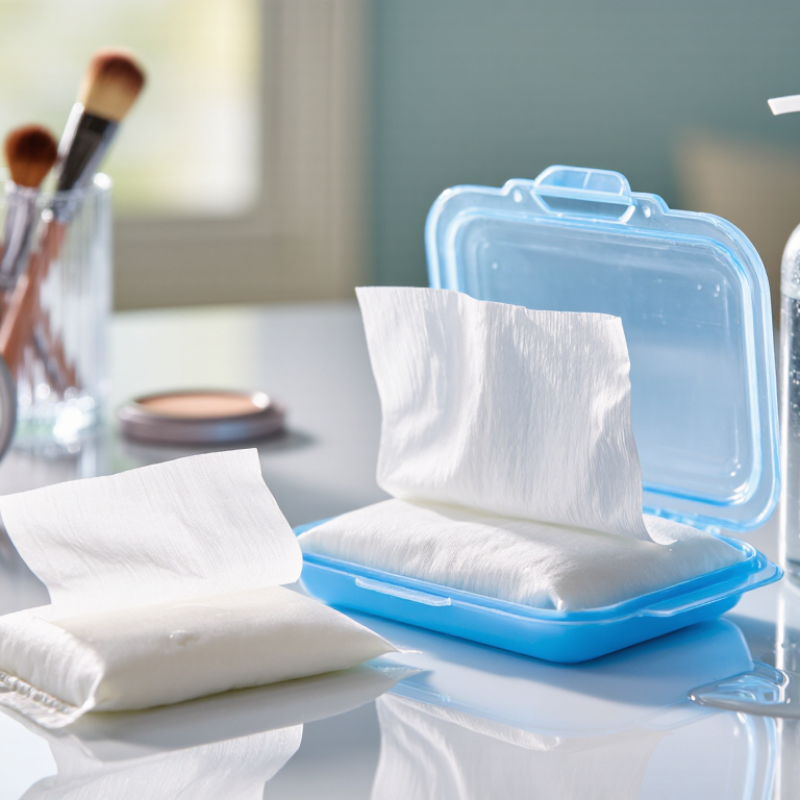
Makeup remover wipes are soft, pre-moistened sheets designed to lift makeup, sunscreen, and everyday surface grime from the skin. Their cleansing solution may contain water, mild surfactants, oils, or humectants. A wipe works through both the solution and gentle wiping; it is not simply a dry cloth. Useful after a commute or before bed, it offers a quick option when a sink is inconvenient. Not a complete skincare routine.
The purpose is convenience: loosen and collect cosmetic residue with minimal setup. Grand View Research estimated the global facial wipes market at about US$2.6 billion in 2023. That commercial estimate reflects product demand, not proof that wipes clean better than rinsed cleansers. Definitions also vary across market reports, so the figure should be read as an approximate category measure.
A wipe can leave cleanser, oil, or fragrance on the skin, depending on its formula. For sensitive areas, avoid rubbing hard, especially around the eyes; follow product directions and stop if irritation occurs. If makeup is heavy or long-wearing, one wipe may not remove every trace. Checking the skin afterward is sensible, though I admit it is easy to skip when tired. Wipes are a practical tool, not a universal replacement for washing.
Materials and Ingredients Used in Makeup Remover Wipes
What Are Makeup Remover Wipes?
Materials and Ingredients Used in Makeup Remover Wipes
Makeup remover wipes pair a soft sheet with a liquid cleansing formula. The sheet may use cotton, rayon, polyester, or a blend. Its texture affects how it feels and how much liquid it holds. A wipe that feels plush is not automatically gentler; rubbing can still irritate delicate skin.
The liquid usually contains water and mild cleansing agents called surfactants. These help loosen makeup, sunscreen, and everyday oils. Glycerin or similar humectants may help reduce that tight, dry feeling. Some formulas also include oils or other emollients to dissolve stubborn, long-wear products. The base matters.
Preservatives help keep a water-based wipe from becoming contaminated during storage and use. Fragrance may be added, but it can bother sensitive skin. Ingredient lists vary, so check the label if you know a particular ingredient causes a reaction. Avoid dragging a wipe across the eyes, and stop using it if redness or stinging develops. Not every “gentle” claim will suit every face. A wipe can remove visible makeup, yet residue may remain; rinsing afterward can be worthwhile, especially when skin feels coated.
How Makeup Remover Wipes Clean the Skin
Makeup remover wipes clean through a combination of moisture, cleansing agents, and gentle friction. The liquid loosens makeup, sunscreen, and surface oils, while the soft sheet picks up the dissolved residue. Some wipes also contain conditioning ingredients that help reduce a tight, dry feeling. They are convenient after a long day or during travel. Still, wipes are not magic. Heavy or waterproof makeup may need more than one pass, and rubbing hard can irritate delicate skin. A wipe may leave a thin film behind, too.
Tips: Press the wipe over closed eyes for a few seconds before sweeping gently. Use a clean section for each area, especially around the eyes and lips. If your skin feels sticky afterward, rinse with lukewarm water or follow with a mild cleanser. Avoid scrubbing; redness is a sign to ease up.
Skin responses vary. Fragrance and certain cleansing ingredients may bother sensitive skin, so check the ingredient list and stop using a wipe if irritation develops. For a more thorough evening routine, wipes can be a first step rather than the only step. That extra cleanse takes time, and it can feel unnecessary—but makeup residue around the hairline is easy to miss.
Common Types of Makeup Remover Wipes
What Are Makeup Remover Wipes?
Common Types of Makeup Remover Wipes
Makeup remover wipes come in several formulations, and the best fit depends on the products you wear and your skin’s needs. Micellar wipes use micelle-based cleansing solutions to lift everyday makeup and surface oils. They can feel light on the skin, though waterproof mascara may need more time or a separate remover. Press gently over closed eyes. Avoid scrubbing.
Oil-based or bi-phase wipes combine oil with water-based ingredients to loosen long-wear makeup, sunscreen, and waterproof products. Shake the packet if the directions recommend it, then hold the wipe against makeup briefly before sweeping it away. Less friction helps. These wipes may leave a film, so follow with a gentle face wash if your skin feels coated.
Other common options include fragrance-free wipes for people who prefer fewer scented ingredients, and exfoliating wipes with mild acids or textured surfaces. “Sensitive skin” wording does not guarantee that a product will suit everyone; check the ingredient list and test cautiously. Exfoliating versions can be irritating when used too often, especially around the eyes. Some wipes are marketed as biodegradable, but disposal conditions vary, so check the packaging and avoid flushing them. A wipe is convenient, not a complete replacement for cleansing.
What Are Makeup Remover Wipes? - Common Types of Makeup Remover Wipes
Makeup remover wipes are pre-moistened sheets designed to lift makeup, sunscreen, and everyday surface impurities from the skin. They commonly combine a wipe material with water, cleansing agents, and other formula ingredients. Formulas and suitability vary, so check the product label and follow its directions.
| Common type | Typical features | Often used for | Things to consider |
| Water-based cleansing wipes | Usually contain water and mild cleansing agents that help loosen makeup and surface dirt. | Everyday, light-to-moderate makeup removal. | May take more than one wipe to remove long-wear or waterproof products. Ingredients differ by formula. |
| Micellar wipes | Moistened with a micellar cleansing solution, which uses surfactant molecules to help lift oil and residue. | Light makeup removal and quick cleansing when rinsing is inconvenient. | Some formulas may leave residue or irritate sensitive skin; rinse if directed or if irritation occurs. |
| Oil-based or bi-phase wipes | Contain oils or an oil-and-water formula to help dissolve makeup that resists water alone. | Long-wear, richer, or waterproof makeup, depending on the product. | Can feel more emollient and may leave a film. Check suitability for the eye area and your skin type. |
| Fragrance-free wipes | Made without added fragrance, though other ingredients can still affect individual skin. | People who prefer to avoid added fragrance in facial products. | “Fragrance-free” does not guarantee that a product will suit every sensitive-skin user. |
| Exfoliating-texture wipes | Have a textured surface intended to help lift residue through gentle physical wiping. | Occasional removal of makeup and surface buildup. | Avoid scrubbing, especially around the eyes or on irritated skin. Frequent friction may cause discomfort. |
| Biodegradable or plant-fiber wipes | Use fibers marketed as plant-derived or biodegradable; material composition and disposal conditions vary. | People seeking alternatives to some conventional synthetic wipe materials. | Biodegradable does not mean suitable for flushing. Follow the packaging and local waste guidance. |
Usage note: Wipe gently without pulling at the skin. Makeup remover wipes are convenient, but they may not remove every trace of product; a separate rinse or follow-up cleanser may be appropriate. Dispose of wipes in the bin unless the packaging and local guidance specifically say otherwise.
Proper Use and Skin-Care Considerations
Makeup remover wipes are convenient, but they should be treated as a quick cleanse, not a complete skin-care routine. Use a fresh wipe and sweep gently from the center of your face outward; avoid dragging it across the eyelids. For eye makeup, check that the product is labeled for eye-area use, then hold the wipe briefly over closed lids before wiping. No scrubbing. Follow with a gentle cleanser if your skin feels coated, then apply moisturizer while it is slightly damp. Wipes can leave makeup, oils, or cleansing agents behind, and repeated friction may irritate sensitive skin.
Check the ingredient list, especially if you have a history of eczema or contact reactions. The European Commission’s Scientific Committee on Consumer Safety reported that methylisothiazolinone at 100 parts per million was considered safe in rinse-off products, but not in leave-on cosmetics. This matters because a wipe may leave residue on skin; not every wipe contains this preservative, so read the label rather than assuming. Fragrance can also bother reactive skin. A small patch test may help, though it cannot guarantee that irritation will not develop later. If redness or stinging persists, stop using the wipes and ask a dermatologist.
Makeup Remover Wipes: A Gentle Use Sequence
Use wipes gently and follow the product directions. If your skin feels irritated or the wipe leaves residue, rinse or follow with a gentle cleanser. Wipes are convenient, but they may not replace your usual cleansing routine; dispose of them in the bin, not the toilet.