
When buyers search for the top Freeze Dried Coffee suppliers, they often compare price first. That approach can hide important quality differences. A low quote may reflect weaker beans, limited testing, or unsuitable packaging. The strongest suppliers usually combine dependable sourcing, controlled freeze-drying, transparent documentation, and responsive service.
This guide examines suppliers through practical purchasing criteria. These include bean origin, roast profile, solubility, aroma retention, moisture control, and batch consistency. Experienced buyers should request product samples before signing agreements. A sample can reveal whether the coffee dissolves cleanly or leaves sediment in the cup. It also shows whether the aroma survives preparation with hot or cold water.
Supplier verification matters just as much. Buyers should review food-safety certifications, laboratory reports, traceability records, and production capacity. A credible company should explain its minimum order quantity and standard lead time clearly. Packaging deserves attention too. High-barrier pouches, nitrogen flushing, and sealed jars can protect flavor during storage and transport.
Not every leading supplier suits every business. A small café may need flexible quantities and private-label support. A global distributor may prioritize scale, logistics, and stable contracts. Price still matters, but it should be judged beside yield and shelf life. Samples help.
Some comparisons remain imperfect. Supplier information can change, and published certifications may not describe every production site. That limitation deserves honesty. Readers should verify current documents and test each shipment when possible. This review focuses on evidence, practical experience, and realistic buying considerations, helping businesses choose a Freeze Dried Coffee partner with greater confidence.
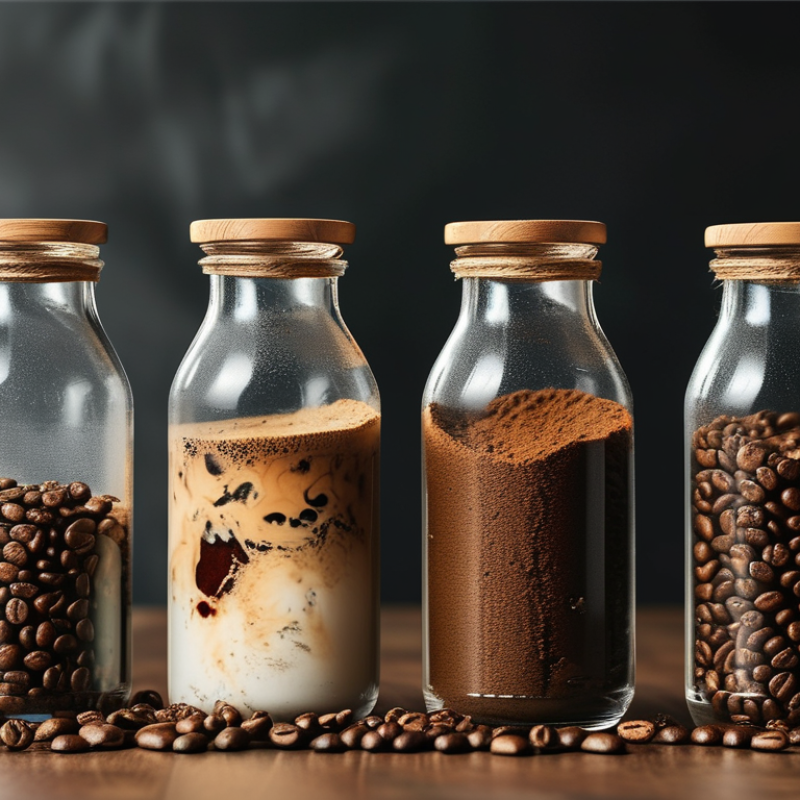
Freeze-dried coffee begins with carefully selected roasted beans. Producers grind the beans and brew them under controlled conditions. The brewed coffee is then filtered to remove fine particles and unwanted sediment. This step affects clarity, body, and the final cup aroma.
The liquid coffee is concentrated before freezing. It is spread into shallow layers and cooled to very low temperatures. Inside a vacuum chamber, ice changes directly into vapor through sublimation. The process leaves behind porous coffee crystals that dissolve quickly in hot or cold water. Low-temperature drying can protect more volatile aromas than many high-heat methods. However, it requires expensive equipment and careful energy management.
Reliable freeze-dried coffee suppliers should explain their extraction, drying, and packaging controls. Ask about roast date, moisture testing, batch traceability, and oxygen protection. Good packaging often uses sealed containers with limited air exposure. Small crystals may dissolve faster, while larger crystals can provide a different visual and sensory experience. Color alone is not enough to judge quality. A dark appearance may reflect roast intensity rather than better flavor.
There is room for imperfection. Some aroma compounds still disappear during processing. Flavor can also seem flatter than freshly brewed coffee. That difference should be assessed honestly through tasting, not marketing language. Samples from several production batches can reveal consistency more clearly than one attractive sample.

Freeze-dried coffee is made by brewing coffee extract, freezing it at very low temperatures, and removing ice through vacuum sublimation. The chart shows typical industrial processing-time ranges for each major stage.
Typical time ranges: freezing usually takes 1–3 hours, primary drying 6–12 hours, and secondary drying 2–6 hours. Actual times vary according to batch size, extract thickness, equipment, and moisture targets.
A reliable freeze-dried coffee supplier proves consistency before discussing price.
Start with traceability. The supplier should identify origin, harvest period, processing method, and lot number. This information helps buyers investigate flavor changes and quality complaints.
The USDA Coffee: World Markets and Trade report, published in June 2024, forecast global coffee production at about 176.2 million 60-kilogram bags for 2024/25.
Such a large supply chain still faces weather, shipping, and crop-quality risks. Reliable suppliers manage these risks through multiple approved origins and documented contingency plans. Ask for certificates of analysis covering moisture, microbiological safety, caffeine, and particle size.
Sensory records should also show aroma, acidity, body, and aftertaste. ISO 22000 or equivalent food-safety systems add confidence, but certification alone is not enough.
Visit the facility when possible. Look at storage conditions, cleaning records, and batch controls. I have found that polished presentations can hide weak production discipline. A sample may taste excellent, yet repeatability remains uncertain.
Tips:
Request three production lots, not one sample. Compare dissolution time in room-temperature water. Check the same flavor notes across each lot. Confirm minimum order quantities, lead times, packaging protection, and recall procedures in writing. The best suppliers communicate problems early. They do not promise perfection. They provide evidence, corrective actions, and realistic delivery dates.
The freeze-dried coffee market is led by suppliers with reliable extraction, drying, and quality-control systems. Industry reports from Grand View Research and Mordor Intelligence show steady growth in the broader instant coffee market, supported by convenience, premiumization, and rising at-home consumption. However, these reports often group freeze-dried and spray-dried products together. That weakens exact supplier rankings.
Leading suppliers usually fall into three groups: large contract manufacturers, regional coffee processors, and specialist private-label producers. The strongest operators offer batch traceability, customizable roast profiles, and flexible minimum order quantities. They also protect aroma during low-temperature vacuum drying. This matters because volatile compounds can disappear quickly after extraction. The International Coffee Organization reported global coffee production above 178 million 60-kilogram bags for the 2023/24 season. That large supply base gives manufacturers more sourcing options, but harvest variation still affects flavor and pricing. Numbers do not tell everything.
Tips: Ask for a recent certificate of analysis, moisture results, solubility tests, and sensory samples from three production lots. Check whether the supplier owns its freeze-drying equipment or outsources it. Outsourcing is not automatically poor, but visibility becomes thinner. Confirm packaging performance with real storage tests, especially in humid climates. A low quote may hide weaker aroma retention, longer lead times, or inconsistent particle size. Supplier claims should be tested, not simply accepted.
Comparing top freeze dried coffee suppliers requires more than tasting one sample. Quality begins with the green beans, roast profile, and extraction method. Ask whether the supplier provides origin details, roast dates, and batch traceability. These records show professional control, not just attractive packaging. A strong supplier should also explain moisture protection, storage conditions, and expected shelf life. The coffee should dissolve quickly, retain a clear aroma, and avoid a flat or burnt aftertaste.
Services can separate a reliable supplier from an average one. Request samples from different production batches, because one excellent sample proves little. Check minimum order quantities, lead times, private-label support, and packaging options. Responsive communication matters when specifications change. Technical documents, quality certificates, and transparent testing procedures also improve confidence. Still, comparisons are not perfectly objective. Personal taste, brewing habits, and intended use can change the result. A supplier serving cafés may not suit a small online retailer.
Tips: Compare the same roast strength and preparation method. Record aroma, solubility, acidity, body, and aftertaste. Ask how rejected batches are handled. Verify that delivery cartons protect the product from heat and humidity. Do not judge service by speed alone; clear answers are more valuable. A low price may hide weaker consistency, while a higher price may reflect better testing or packaging. Sample carefully. Mistakes happen.
Choosing a freeze-dried coffee supplier requires more than comparing prices. Buyers should verify origin, processing records, and product consistency. USDA Foreign Agricultural Service’s Coffee: World Markets and Trade report forecast global production at about 176 million 60-kilogram bags for 2024/25. Supply remains exposed to weather and price shifts. A dependable supplier should explain its contingency plans clearly.
The International Coffee Organization estimates that coffee supports the livelihoods of roughly 125 million people, with smallholders producing most global coffee. This makes traceability important. Ask whether the supplier can identify farms, processing sites, harvest periods, and storage conditions. Review moisture, water activity, particle size, solubility, aroma retention, and microbiological results. Packaging also matters. A weak oxygen barrier can flatten flavor before the product reaches a warehouse. Certifications help, but they do not replace factory audits or lot testing.
Tips: Request samples from three separate production lots. Compare them after two weeks in realistic storage conditions. Ask for a current certificate of analysis, allergen statement, shelf-life evidence, and minimum order quantity. Check production capacity against your forecast, not your best month. A low quote may hide long lead times. I would not trust a perfect sample alone; suppliers can select it. That is an easy mistake. Buyers should also inspect complaint records, recall procedures, and response times. Reliable communication is measurable: ask specific questions and record how quickly, clearly, and accurately the supplier answers.
2025 Bio-Botanica, a division of Bio Answer Holdings Inc. All Rights Reserved.