
Healthy soil does more than hold plants upright; it stores water, supports roots, and sustains countless small organisms. Organic Fertilizer can contribute to this living system by adding nutrients through materials such as composted plant matter or manure. A handful of crumbly, well-matured compost looks and feels different from dry mineral granules. Its benefits, however, depend on what it contains and how it is used.
For home gardeners, organic options may help build soil structure over time while supplying nutrients. They are not instant fixes. Nutrients often become available gradually, and the pace can vary with temperature, moisture, and soil conditions. That slower release may suit some gardens, but plants with urgent deficiencies may need a different approach. No magic here.
The practical choice starts with the product label and the garden itself. Check the nutrient analysis, follow application directions, and consider a soil test before adding amendments. Too much fertilizer, organic or otherwise, can create imbalances or allow nutrients to wash away. The source matters, too: materials should be properly processed and appropriate for the intended plants. A bag’s “natural” wording alone does not tell the whole story.
Organic Fertilizer can be a thoughtful part of soil care, not a guarantee of bigger harvests or healthier plants. Observing leaf color, growth, and soil moisture helps you adjust. Sometimes the soil needs less than expected. That is worth remembering.
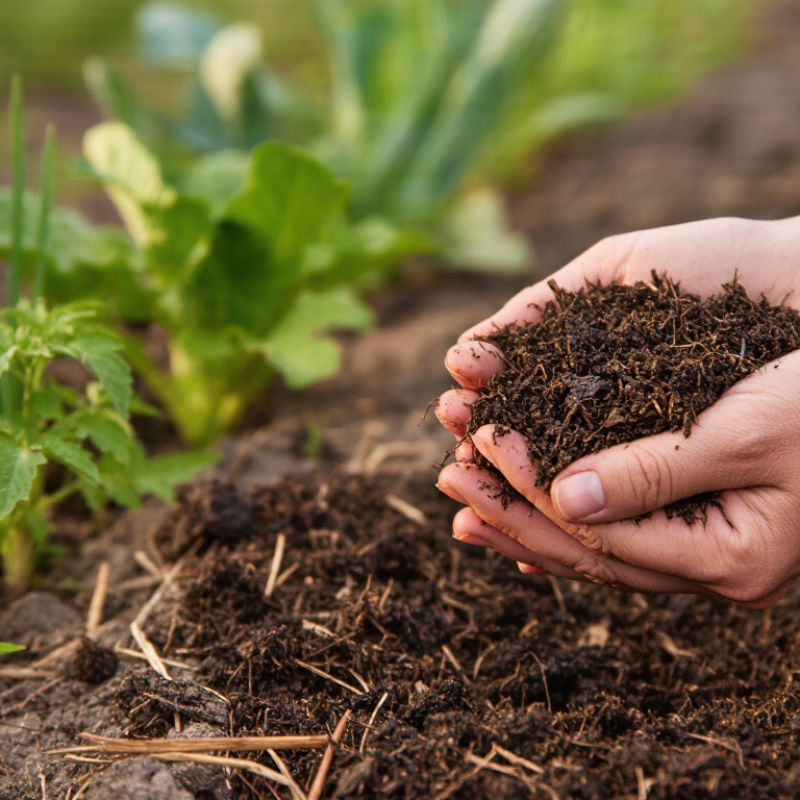
Organic fertilizer comes from once-living materials, such as composted leaves, animal manure, or processed plant residues. Its nutrients are held in organic compounds and often become available as soil organisms break them down. The pace depends on warmth, moisture, and microbial activity. A cool, dry bed may respond slowly. That matters.
Synthetic fertilizer is manufactured to supply nutrients in specific, readily available forms. Its label usually gives clearer nutrient percentages, making measured application easier. Organic products can vary more in nutrient content, even between batches. Compost may improve soil texture and add organic matter, but it may not provide enough of every nutrient for a hungry crop. Not always.
The difference is not simply “natural” versus “chemical”; both supply nutrients that plants use. Organic fertilizer can support soil structure over time, while synthetic fertilizer can correct a known shortage quickly. Either type can harm plants or contribute to nutrient runoff when applied carelessly. In a vegetable bed, I would check the soil, read the product analysis, and use only the amount needed. I still find the slower response harder to judge. Patience helps, but testing is better.

Organic fertilizer begins with plant or animal materials, such as leaves, crop residues, or manure. During composting, microbes break these materials down with oxygen, moisture, and warmth. A well-managed pile feels crumbly and earthy, not slimy or sharp-smelling. EPA’s 2018 Advancing Sustainable Materials Management report recorded 22.3 million tons of yard trimmings composted in the United States. That scale shows how ordinary organic leftovers can become a soil input.
Nutrients become available as soil organisms continue breaking down the finished material. Nitrogen release is gradual and varies with feedstock, maturity, temperature, and moisture. University of Minnesota Extension guidance for composted manure indicates that only a portion of its nitrogen is available during the first growing season; phosphorus and potassium availability also differs. So “slow release” is not a fixed schedule. A cool, dry bed may release nutrients more slowly than a warm, moist one. The process is not perfectly predictable, either.
Tips: Mix mature compost into the upper few inches of soil, and avoid piling it against stems. For precise feeding, test the soil and check the product’s nutrient analysis. Too much compost can still create problems. Take notes on growth and soil moisture; your garden may respond differently next season.
Organic fertilizers can support soil health by adding nutrients and, in some forms, organic matter. A thin layer of finished compost around tomato plants can soften hard soil and help it hold moisture. Over time, organic matter also creates habitat for soil organisms that help cycle nutrients. Many organic materials release nutrients gradually as organisms break them down. The pace depends on the material, soil temperature, and moisture. That takes patience. A plant may not green up overnight, and a slow response does not always mean it needs more fertilizer.
Healthy soil gives roots room to grow and access to water and nutrients, supporting steady plant growth. Still, organic fertilizer is not a cure-all. Applying too much can create nutrient imbalances, while fresh or poorly prepared materials may harm plants. A soil test can help identify what the garden actually lacks. Follow the product’s application directions, and work suitable materials into the soil as recommended. Watch the leaves and new growth over several weeks. Results can be uneven, even in one bed; that is a useful reminder to adjust carefully rather than assume every plant needs the same feeding.
| Dimension | How Organic Fertilizer Contributes | Potential Benefit for Plants | Practical Consideration |
|---|---|---|---|
| Nutrient supply | Materials such as compost, well-rotted manure, and plant-based meals can supply nutrients, including nitrogen, phosphorus, and potassium. Nutrient content varies by material and batch. | Provides nutrients plants need for functions such as leaf growth, root development, and flowering. | Check product analysis or test the soil; organic sources are not automatically balanced or complete fertilizers. |
| Nutrient release | Many organic nutrient sources need microbial decomposition before some nutrients become available to plants, so release can be gradual and depends on conditions such as temperature and moisture. | Can support nutrient availability over time when applied and timed appropriately. | Plan ahead for crops with high or immediate nutrient needs; release rates vary by material and soil conditions. |
| Soil organic matter | Compost and other organic materials add organic matter to soil. | Over time, organic matter can improve soil structure and support a better environment for roots. | Benefits depend on the material, application rate, soil type, and repeated management. |
| Water movement and retention | Adding organic matter can improve aggregation and influence how water enters and is held in soil. | Improved soil conditions may help roots access water, particularly in soils with poor structure. | Effects vary; organic amendments do not replace appropriate irrigation or drainage practices. |
| Soil organisms | Organic materials provide carbon and other resources that soil organisms can use; microbes also help break down many organic nutrient sources. | Active soil communities contribute to decomposition and nutrient cycling. | Microbial activity depends on factors including moisture, temperature, aeration, and the quality of the material. |
| Nutrient loss and application | Organic fertilizers can still lose nutrients through runoff, leaching, or volatilization if they are overapplied or poorly timed. | Careful application helps match nutrient supply to plant needs and protect nearby water. | Follow soil-test guidance and application instructions; avoid applying before heavy rain or near waterways. |
| Overall plant growth | Organic fertilizers can provide nutrients while some materials also improve soil properties. | Healthy soil and adequate nutrition can support plant growth, but results depend on crop needs and growing conditions. | Choose a suitable material and rate; “organic” alone does not guarantee faster growth or a better result. |
Organic fertilizers return plant- and animal-based materials to the soil, where microbes gradually make nutrients available. Compost, well-rotted manure, and some plant meals can also add organic matter, improving soil structure over time. In a garden bed, that may mean better water retention and fewer hard, crusted patches after rain. These changes are gradual, not instant. This slower release can reduce nutrient surges, though it may not meet a fast-growing crop’s needs right away.
Using local compost or properly matured materials can recycle nutrients that might otherwise go to waste. Still, organic does not automatically mean harmless or perfectly balanced. Fresh manure can damage roots, and excessive application can carry nutrients into waterways. When possible, use soil-test results to guide your choice and follow application directions. Keep a record of what you add; even careful gardeners sometimes apply too much.
Tips: Mix finished compost into the top few inches of soil. Wear gloves, keep it away from plant stems, and water afterward if the soil is dry.
Choosing the right organic fertilizer starts with the crop and the soil, not a generic “natural” label. A soil test can reveal whether your garden needs nitrogen, phosphorus, or neither. University of Minnesota Extension recommends testing garden soil about every three years.
Read the nutrient analysis and match it to the plant’s needs. Mature compost improves soil structure, but its nutrients are not immediately available. Cornell Waste Management Institute guidance reports that roughly 5–20% of compost nitrogen may become available in the first year; the share varies with material and conditions. For leafy vegetables, a nitrogen-rich amendment may help. For established herbs, compost alone may be enough. Labels can mislead.
Apply only the rate recommended by your soil test or product directions. Spread granular fertilizer evenly over moist soil, then water it in; keep it away from stems. Mix compost into the upper few inches before planting, rather than piling it against trunks. I still find the timing imperfect: cool soil can slow nutrient release, while heavy rain may move nutrients away. Keep notes on application dates and crop growth, then adjust next season.
2025 Bio-Botanica, a division of Bio Answer Holdings Inc. All Rights Reserved.