
Blog

Why Is Chili Sauce Popular Worldwide?

Chili Sauce has moved from local kitchens to restaurant tables across continents. Its appeal is immediate: a bright red spoonful can add heat, sweetness, salt, and aroma at once. In a busy kitchen, it can transform plain noodles, grilled chicken, eggs, or roasted vegetables within seconds. That convenience matters to home cooks and professional chefs alike.

Taste explains only part of its worldwide popularity. Capsaicin, the compound responsible for chili’s heat, creates a strong sensory response. Many people enjoy that warming sensation, especially when it balances rich or fatty foods. Different regions also shape Chili Sauce with familiar ingredients, such as vinegar, garlic, fermented beans, fruit, or herbs. As a result, one bottle may taste smoky and thick, while another feels sharp, fresh, and watery. Not every sauce is equally hot.

Tradition gives Chili Sauce deeper meaning. In some communities, families preserve personal recipes and serve them with everyday meals. Food manufacturers have also improved packaging, consistency, and shelf stability, making regional flavors easier to share internationally. Still, the idea that people love Chili Sauce only because of heat is too simple. Personal tolerance, cultural habits, ingredient quality, and marketing all influence consumer choices. My own experience suggests that balance matters more than intensity. A sauce that burns immediately may be memorable, but one with layered flavor is more likely to become a regular table companion. This article explores the practical, cultural, and sensory reasons behind Chili Sauce’s global reach.
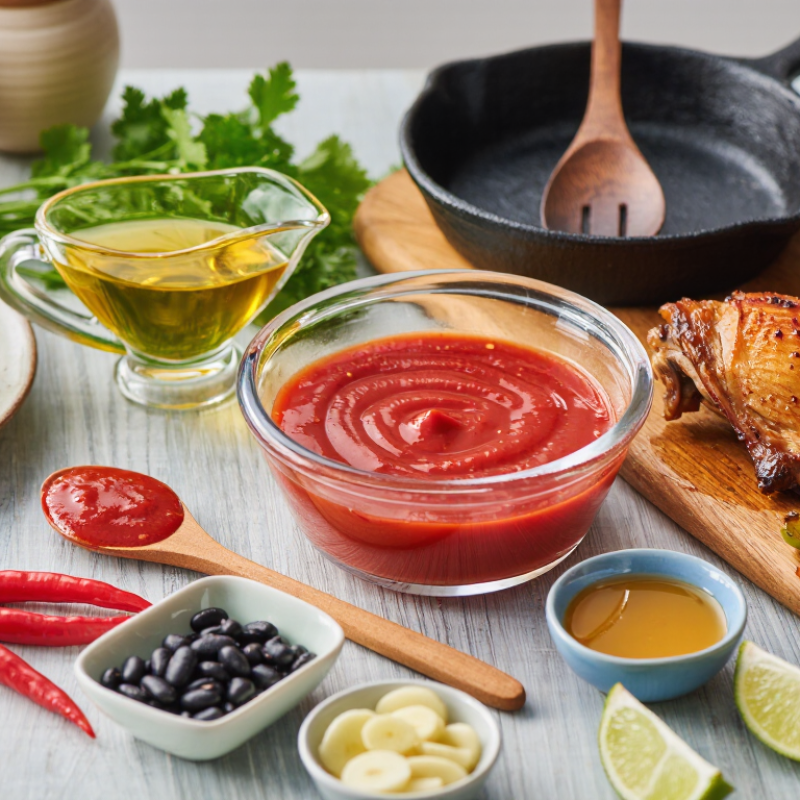
Why Is Chili Sauce Popular Worldwide?

Origins and Definition of Chili Sauce

Why Is Chili Sauce Popular Worldwide?

Chili sauce begins with Capsicum peppers, domesticated in the Americas thousands of years ago. Archaeological evidence places early cultivation in Mexico more than 6,000 years ago. After the Columbian Exchange, peppers traveled through Asia, Africa, and Europe. Local cooks then paired them with salt, vinegar, oil, fruit, or fermentation. This history explains why chili sauce has no single global formula.

In practical terms, chili sauce is a prepared condiment made from chili peppers and supporting ingredients. Its texture may be smooth, chunky, thin, or paste-like. Food scientists usually assess it through heat, acidity, saltiness, aroma, color, and microbial stability. Fermentation can create deeper acidity and savory notes. Vinegar gives sharper brightness. Sugar softens the burn, but it can hide pepper flavor. The definition remains slightly blurry. Some products resemble pepper purées, while others function more like cooking sauces.

A 2024 Grand View Research report estimated the global hot sauce market at about US$2.5 billion in 2023. Market figures differ because researchers classify chili pastes and cooking sauces differently. That limitation deserves attention. Personal kitchen testing also shows why the category travels well: a few drops can change noodles, grilled vegetables, eggs, or soup without adding much volume.

Tips: Start with a small amount. Taste after ten seconds. Heat develops gradually. Balance strong chili with acid, salt, or a little sweetness. Check the ingredient list when seeking a simple definition.

Key Ingredients and How Chili Sauce Is Made

Why Is Chili Sauce Popular Worldwide?
Key Ingredients and How Chili Sauce Is Made

Chili sauce is popular worldwide because a small spoonful adds heat, color, aroma, and depth to ordinary food. Its main ingredient is fresh or dried chili, with heat ranging from gentle warmth to a sharp burn. Vinegar brings acidity and helps balance the peppers. Salt strengthens flavor and supports preservation. Sugar or fruit may soften the heat, while garlic, onion, ginger, or spices create a fuller taste.

Making chili sauce starts with careful washing and trimming. Fresh peppers are chopped, then blended with the chosen ingredients. Some recipes cook this mixture slowly until the peppers become soft and glossy. Others ferment the peppers with salt before blending. Fermentation can create complex flavors, but it needs clean equipment, stable conditions, and close attention. Heat matters.

In my kitchen tests, simmering the sauce too quickly produced a dull, bitter note. A lower temperature kept the pepper aroma brighter. I also learned that thickening is easy to overdo; a sauce that looks perfect in the pan may become heavy after cooling. For a reliable texture, producers often strain the mixture or blend it longer. Food safety remains essential, especially when using fresh ingredients. Clean containers, accurate acidity control, and proper storage reduce avoidable risks. The process is simple in appearance, but small changes can noticeably affect flavor, texture, and shelf life.

How Chili Sauce Became Popular Across Cultures

Why Is Chili Sauce Popular Worldwide?

How Chili Sauce Became Popular Across Cultures

Chili sauce became global through migration, trade, and everyday cooking. Travelers carried dried chilies, fermentation methods, and family recipes across borders. Local cooks then changed the formula. They added vinegar, garlic, fruit, sugar, or fermented beans. The result was familiar heat with a local accent.

Grand View Research valued the global hot sauce market at USD 2.29 billion in 2022. It projects a 7.1% compound annual growth rate from 2023 to 2030. Mordor Intelligence also forecasts steady growth through 2029, although its estimate is higher. Different definitions explain part of the gap. Some reports include chili pastes and cooking sauces, while others count only table sauces.

That difference matters. Consumers do not use chili sauce in one fixed way. In Mexico, it may sharpen tacos. In Southeast Asia, it can balance fried foods with sweetness and acidity. In parts of Europe, shoppers often use it as a dipping sauce or marinade. Small bottles also fit modern kitchens and reduce preparation time.

Heat attracts attention. Flavor creates loyalty.

My own kitchen experience suggests that moderate heat works best for mixed households. Very hot sauces can become a challenge rather than a meal ingredient. Still, this view is limited. Younger consumers may actively seek stronger sensations through online food culture and restaurant trends. Industry forecasts show demand, but they cannot fully measure memory, identity, or the comfort of a familiar family recipe.

Why Is Chili Sauce Popular Worldwide? - How Chili Sauce Became Popular Across Cultures

Region or Culture Approximate Introduction or Adoption Period Common Chili-Sauce Style or Form Typical Culinary Uses Why It Became Popular Distinctive Flavor Function
Mexico and Central America Used for thousands of years before European contact Fresh or dried chili blended with tomato, herbs, spices, or acidic ingredients Tacos, grilled foods, beans, soups, stews, and corn-based dishes Chili was already deeply integrated into local agriculture, cooking, and food preservation Adds heat, acidity, color, aroma, and complexity
Caribbean Pre-Columbian use; later spread through Atlantic trade after the 15th century Fresh chili sauces, pepper pastes, and vinegar-based sauces Fish, meat, rice, plantains, soups, and marinades Warm climates supported chili cultivation, while acidic sauces suited seafood and grilled foods Provides brightness, heat, and a sharp counterpoint to rich foods
South Asia Introduced by Portuguese traders during the 16th century Chili pastes, pickles, chutneys, and cooked spice sauces Curries, lentils, rice dishes, snacks, pickles, and grilled foods Chili adapted well to local growing conditions and became a less expensive source of intense flavor than some imported spices Amplifies spice blends while contributing color and lingering heat
Southeast Asia Spread mainly through maritime trade in the 16th century Fresh chili relishes, fermented pastes, sweet-hot sauces, and dipping sauces Noodles, rice, seafood, grilled meats, spring rolls, and vegetable dishes Chili complemented established traditions of fermentation, sourness, sweetness, and aromatic herbs Creates a balance of heat, sweetness, sourness, saltiness, and umami
China Introduced during the late 16th or early 17th century Fresh chili mixtures, fermented chili bean pastes, dried chili oils, and dipping sauces Stir-fries, noodles, hot pots, dumplings, braised dishes, and cold appetizers Chili matched regional preferences for bold aromas and became especially important in southwestern and central cuisines Adds fragrance, oil-soluble warmth, and savory depth
Korea Adopted broadly from the late 16th to 18th centuries Coarsely ground chili flakes, fermented chili paste, and seasoned chili mixtures Fermented vegetables, rice cakes, soups, stews, noodles, and marinades Chili worked effectively with fermentation, garlic, grains, and preserved vegetables Combines moderate heat with color, sweetness, fermentation, and savory flavor
Japan Introduced during the 16th century; wider culinary use developed later Dried chili seasonings, chili oils, pepper pastes, and spicy dipping mixtures Noodles, hot pots, grilled foods, pickles, seafood, and condiment dishes Small amounts of chili could provide contrast without replacing delicate umami-based flavors Adds controlled heat and aromatic contrast
West and East Africa Spread through Portuguese and later global trade from the 16th century onward Fresh chili pastes, pepper sauces, stews, and spice-based relishes Rice dishes, beans, fish, poultry, meat stews, and grilled foods Chili integrated easily with existing traditions involving onions, tomatoes, oil, grains, and slow-cooked stews Strengthens aroma and heat while enriching savory sauces
Middle East and Mediterranean Spread after the Columbian Exchange, mainly from the 16th century onward Red pepper pastes, dried chili flakes, infused oils, and herb-based hot sauces Kebabs, eggs, flatbreads, grilled vegetables, dips, and grain dishes Chili complemented established uses of garlic, olive oil, herbs, vinegar, and fermented foods Adds warmth, color, fruitiness, and acidity when combined with vinegar or citrus
Europe Chili arrived after the late 15th century; broader adoption developed gradually Paprika-style powders, pepper pastes, pickled peppers, and hot sauces Soups, sausages, stews, seafood, roasted meats, eggs, and preserved foods Chili offered both pungency and color, and it adapted to drying, grinding, pickling, and cooking Provides color, mild sweetness, smokiness, or heat depending on the pepper
Global Modern Food Culture Accelerated during the 20th and 21st centuries Ready-to-use bottled sauces, fermented sauces, chili oils, pastes, and dry seasonings Fast food, home cooking, fusion cuisine, snacks, marinades, dips, and street food Shelf stability, portability, low serving cost, and easy portion control make chili sauce convenient worldwide Personalizes flavor instantly and connects different culinary traditions

Historical note: Chili peppers originated in the Americas. Their global spread accelerated after the Columbian Exchange, when Portuguese and Spanish maritime trade routes carried them to Africa, Asia, and Europe. Adoption dates are approximate because cultivation and culinary use developed at different speeds across regions.

Key reason for worldwide popularity: Chili sauce is adaptable, inexpensive to produce, easy to preserve, simple to serve, and capable of adding heat, color, acidity, sweetness, aroma, and savory depth to many different foods.

Regional Varieties and Changing Flavor Preferences

Why Is Chili Sauce Popular Worldwide?

Regional Varieties and Changing Flavor Preferences

Chili sauce travels well because each culture reshapes its heat. In Mexico, roasted peppers can bring smoke and dried-fruit notes. Thai-style sauces often pair chilies with garlic, vinegar, and a bright sweetness. Korean versions may offer fermented depth, while North African blends can taste earthy and aromatic. Heat travels differently. It carries local memories, cooking methods, and available ingredients.

I have noticed that diners now seek balance more than simple intensity. They may want a gentle burn, sharp acidity, or a slow warmth that lasts. In restaurants and home kitchens, sauces with less sugar often appeal to people who prefer clearer savory flavors. Others choose fermented ingredients for complexity, even when the heat is moderate. Culinary researchers commonly describe this shift as a move toward layered sensory experiences, not weaker food.

Still, personal preference changes with context. A very hot sauce may feel exciting with grilled meat, but overwhelming on a delicate noodle dish. I once judged a sauce too quickly because its aroma seemed plain. After tasting it with roasted vegetables, its subtle acidity made sense. My first impression was incomplete. That balance matters. Regional recipes also evolve as cooks adjust salt, sweetness, texture, and pepper varieties for new audiences. The result is not one universal chili flavor, but a growing conversation between tradition and curiosity.

Health, Culinary Uses, and Global Food Trends

Chili sauce travels well because it changes familiar food without replacing it. One spoon can sharpen noodles, grilled vegetables, eggs, or a bean stew. That flexibility suits busy kitchens. Grand View Research valued the global hot sauce market at about US$5.7 billion in 2023, with growth projected through 2030. Its analysis connects demand with international flavors, convenience, and expanding foodservice use. Heat becomes a small, affordable experiment.

Health claims require more caution. Capsaicin may support appetite and metabolic research, but evidence does not make every sauce a health food. The World Health Organization recommends fewer than 2,000 milligrams of sodium daily for adults. Some sauces also contain notable sugar and sodium in one tablespoon. Read the label. Vinegar, fermented peppers, garlic, and spices can add flavor without relying only on salt. However, serving size is easily underestimated, especially beside fried foods. The nutritional picture is not perfectly clean.

Global food trends are also making chili sauce more adaptable. The Food and Agriculture Organization reports continuing urbanization and changing eating patterns worldwide, supporting demand for convenient, flavorful products. In practice, cooks blend regional ingredients with chili, creating sauces for rice bowls, dumplings, sandwiches, and marinades. This cross-cultural use feels creative, though it can sometimes flatten local traditions. I may be too optimistic about fusion. Still, the everyday evidence is clear: a small bottle can move between cuisines quickly.

Article Source:

Botanical Extracts Manufacturing | Manfacture botanical extracts for supplements.