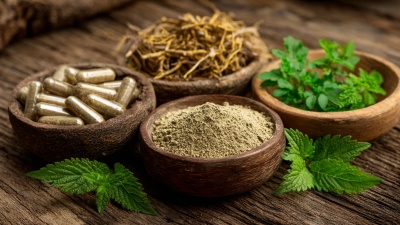
Sourcing Medicinal Plant Extracts requires more than comparing prices or choosing the most attractive supplier profile. Plant identity, extraction method, harvest conditions, and batch consistency can affect every gram of material. A green powder may look convincing, yet visual appearance cannot confirm purity, potency, or safety. That is where disciplined sourcing begins.
Professor Michael Heinrich, a leading medicinal plant researcher, emphasizes that “quality, safety, and efficacy must be considered together.” This principle should guide every purchasing decision. Ask suppliers for botanical names, plant parts, country of origin, extraction ratios, and solvent information. Request certificates of analysis, identity testing, microbial results, heavy-metal screening, and pesticide data. Review the laboratory’s competence, not just its paperwork. Independent verification matters.
Details often reveal the real process. A reliable supplier can explain how roots were dried, how moisture was controlled, and how extracts were stored. Proper packaging should protect sensitive compounds from light, heat, and humidity. Traceability should reach the harvest lot. Not every supplier will provide perfect documentation. That deserves attention, not immediate dismissal. It may indicate weak systems, or simply a communication gap.
The ten tips in this guide focus on practical checks, including supplier audits, authentication methods, stability evidence, ethical harvesting, and regulatory review. Experience still has limits. Even experienced buyers can overlook adulteration or inconsistent standardization. Keep questioning the material, the method, and the evidence. Good sourcing is careful, transparent, and occasionally inconvenient. That is acceptable. Medicinal Plant Extracts deserve nothing less.
Defining Medicinal Plant Extract Specifications and Intended Uses
Tip 1: Define the intended use before contacting suppliers. An extract for a regulated medicinal product needs tighter controls than one for laboratory screening. Record the dosage form, target market, route of administration, and development stage. A vague purpose creates vague purchasing decisions. It also makes supplier comparisons difficult.
Tip 2: Build the specification around botanical identity. State the accepted scientific name, plant part, origin, harvest period, and extraction method. Include the solvent system and extract ratio. Require marker compounds or an activity-related profile, but do not rely on one number alone. Appearance, odor, moisture, microbial limits, heavy metals, pesticides, and residual solvents also matter. I have seen attractive certificates that answered only half the questions. That is not enough.
Tip 3: Match testing to the intended use and document every assumption. Ask for batch records, analytical methods, reference standards, stability data, and traceability documents. Independent testing can confirm identity and contamination limits before approval. Choose laboratories with suitable competence and transparent methods. Specifications should reflect applicable quality standards and local requirements. They should not promise effects that evidence cannot support. A supplier may offer a familiar extract, yet its plant part or solvent profile may differ from your process. Small differences can alter formulation behavior. Review them with qualified quality and regulatory professionals. I would also revisit the specification after pilot batches, because real processing often exposes gaps that paperwork misses.
For extracts intended for oral medicinal use, elemental-impurity limits should be defined alongside botanical identity, marker-compound content, solvent residues, microbiological quality, and stability requirements. The chart shows the ICH Q3D(R2) permitted daily exposure values for selected elemental impurities by the oral route.
Reference values: ICH Q3D(R2) guideline, oral permitted daily exposure (PDE), expressed in micrograms per day. These PDEs are toxicological reference values and should not be copied directly as raw-material limits without considering dosage, concentration, and the intended finished-product use.
Sourcing medicinal plant extracts begins with confirming what the plant actually is. Ask for the accepted Latin name, plant part, harvest region, and a voucher specimen record. Common names can hide serious confusion. Traceability comes first. I prefer suppliers who link each batch to a collection date, drying condition, and lot number. DNA testing can support identification, but it should not replace botanical review or microscopy.
Raw material quality deserves close attention. Inspect moisture, color, odor, foreign matter, microbial counts, pesticide residues, and heavy metals. A brown powder is not proof of quality. Request representative samples and compare them with the approved specification. Check whether the material was stored in sealed packaging, away from heat and humidity. Small errors matter. I once underestimated the effect of poor drying, and the extract later showed an unstable marker profile.
Extraction methods should match the plant chemistry and intended use. Record the solvent, plant-to-solvent ratio, temperature, extraction time, filtration steps, and concentration conditions. Water, ethanol, and other permitted solvents can produce very different profiles. Test marker compounds, residual solvents, microbial safety, and batch-to-batch consistency. A high marker level may still mislead if the method concentrates unwanted constituents. Independent laboratory testing adds credibility, although even reputable testing can miss problems when sampling is weak. Supplier audits, clear records, and controlled change procedures make the process more dependable.
Reliable medicinal plant extracts begin with a supplier’s quality system, not a persuasive sales sheet. Ask how raw materials are approved, sampled, quarantined, and released. A controlled system should include documented procedures, trained staff, deviation reports, corrective actions, and change control. Supplier audits can reveal practical details, such as unlabeled containers or incomplete cleaning records. Small signs matter.
Testing must confirm identity, strength, purity, and safety for every relevant batch. Request botanical name, plant part, extraction method, solvent information, and a complete certificate of analysis. Check results for pesticides, heavy metals, microbial contamination, mycotoxins, and residual solvents. Methods should be scientifically suitable and verified by a qualified laboratory. Independent testing is useful when risk is high. It can also expose gaps in internal reports.
Documentation should connect the farm, batch, laboratory, warehouse, and final shipment. Traceability must work in both directions. Review specifications, sampling plans, stability data, test methods, and complaint records before placing an order. Never accept a copied certificate without checking batch numbers and dates. A perfect document can still hide weak controls. I have learned that requesting raw data is sometimes uncomfortable, but it separates confidence from assumption. Keep records current, readable, and easy to audit. Incomplete files deserve questions.
Sourcing medicinal plant extracts requires more than comparing price per kilogram. Potency should be measured by validated assays, not only by a headline percentage. Request the active marker range, chromatographic fingerprint, extraction solvent, and test method. A 10:1 extract is not automatically stronger. The plant source matters.
Purity needs equal attention. Ask for recent certificates covering pesticides, heavy metals, microbes, mycotoxins, and residual solvents. The USP Food Fraud Database contains more than 1,000 documented food-fraud records, showing why identity testing cannot rely on paperwork alone. Use botanical microscopy, DNA testing, or chromatography when substitution risks are high. WHO reported that 88% of its Member States recognized traditional medicine use in its 2019 global report. Demand is broad, but quality controls remain uneven.
Pricing should be compared by cost per standardized active compound, not cost per finished kilogram. Include testing, rejected batches, freight, and storage. Cheap material can become expensive quickly.
For supply consistency, review at least three harvest cycles, supplier capacity, lead times, and batch-to-batch assay variation. Ask whether the supplier can provide retained samples and traceable origin records.
A dual-source strategy may reduce disruption, although it can introduce small potency differences. Set acceptance limits before purchasing.
One practical check is simple: place two recent certificates side by side. Look for changing test methods, vague origin statements, or identical laboratory wording. I have seen low quotes hide weak documentation. That is easy to miss. Review the evidence again before signing.
Tip 1: Confirm regulatory documents before ordering medicinal plant extracts. Request botanical identity, extraction method, batch number, certificate of analysis, and contaminant testing. Check whether the material is permitted in your destination market. Requirements can differ between supplements, cosmetics, and medicines.
Tip 2: Inspect packaging as carefully as the extract itself. Use sealed, tamper-evident containers with clear labels, lot codes, net weight, and expiration dates. Amber packaging can protect light-sensitive compounds. Labels should remain readable after refrigerated handling. Small details matter.
Tip 3: Build a storage and delivery plan before shipment. Follow the supplier’s temperature and humidity instructions. Record conditions with a data logger when the extract is sensitive. Keep containers away from direct sunlight, moisture, and strong odors. A clean, dry storage area is essential.
During receiving, compare the delivered lot with the purchase documents. Photograph damaged cartons and quarantine questionable material. Review seal condition, odor, color, and physical appearance without relying on appearance alone. Laboratory confirmation may still be necessary. I have seen teams overlook delivery temperature because the outer box looked perfect. That was a mistake.
Tip 4: Maintain traceability from supplier to finished product. Store invoices, test reports, shipping records, and internal release decisions together. Qualified personnel should review deviations and approve use. Do not accept vague statements such as “food grade” without supporting evidence. Reliable sourcing requires documented communication, not assumptions. Suppliers should also explain recall procedures and response times clearly.
| No. | Sourcing Dimension | Recommended Practice | Records or Acceptance Criteria | Main Risk Controlled |
|---|---|---|---|---|
| 1 | Define the botanical identity | Specify the accepted scientific name, plant part, extraction solvent, extract ratio, and intended use before requesting quotations. | Purchase specification, approved botanical nomenclature, plant-part description, and reference sample where appropriate. | Substitution, adulteration, misidentification, or inconsistent potency. |
| 2 | Check regulatory classification | Confirm whether the extract is regulated as a food, dietary supplement, traditional medicine, active ingredient, cosmetic ingredient, or another category in the destination market. | Written regulatory assessment, permitted use, labeling requirements, import rules, and documentation responsibilities. | Import delays, rejected claims, product seizure, or non-compliant marketing. |
| 3 | Qualify the supplier and site | Evaluate the manufacturing site’s quality system, traceability, sanitation controls, change-control process, and experience with botanical materials. | Supplier questionnaire, quality agreement, audit or risk-based assessment, certifications relevant to the product category, and corrective-action records. | Uncontrolled processing, poor traceability, and recurring quality failures. |
| 4 | Verify identity and authenticity | Use fit-for-purpose identification testing, such as macroscopic or microscopic examination, chromatographic fingerprinting, or DNA-based methods when suitable. | Approved test method, certificate of analysis, laboratory results, reference chromatogram, and documented sample-to-lot linkage. | Wrong species, undeclared plant material, and economically motivated adulteration. |
| 5 | Set chemical and microbiological limits | Define marker compounds or other potency measures, moisture or loss-on-drying limits, microbial specifications, and contaminant limits appropriate to the material and jurisdiction. | Lot-specific test results for identity, assay or markers, microbial quality, pesticides, heavy metals, aflatoxins, residual solvents, and other relevant contaminants. | Unsafe contamination, potency variation, and failure to meet applicable monographs or specifications. |
| 6 | Confirm harvest and geographic traceability | Document the growing or collection area, harvest period, cultivation or wild-collection status, and chain of custody from source material to finished extract. | Batch number, origin statement, harvest records, supplier traceability map, and records for sustainable or legally authorized collection where applicable. | Seasonal inconsistency, illegal harvesting, and inability to conduct an effective recall. |
| 7 | Select protective packaging | Use clean, food- or pharmaceutical-contact-compatible packaging that protects the extract from moisture, oxygen, light, contamination, and physical damage. | Packaging specification, closure description, liner compatibility, tamper evidence where required, and intact-container inspection at receipt. | Oxidation, moisture uptake, light degradation, leakage, and foreign-matter contamination. |
| 8 | Control storage conditions | Store according to the validated or scientifically justified conditions on the specification, generally in a cool, dry, clean area protected from direct light unless a different condition is required. | Temperature and humidity monitoring, stock-rotation records, pest-control records, quarantine status, and defined excursion procedures. | Loss of stability, mold growth, clumping, cross-contamination, and expired inventory. |
| 9 | Plan compliant labeling | Ensure each container identifies the botanical material, plant part, batch or lot, net quantity, manufacturing or packaging date where required, retest or expiry information, and storage conditions. | Approved label artwork, legibility check, language review, safety information, and reconciliation between label, purchase order, and certificate of analysis. | Misuse, mix-ups, poor inventory control, and regulatory labeling violations. |
| 10 | Validate delivery and receiving controls | Choose a shipping method that protects the extract from unsuitable temperature, humidity, light, shocks, and delays; inspect and release the material only after quality review. | Shipping specification, packing list, seal or tamper check, transport-condition records when needed, receiving inspection, and documented quality release. | Transit damage, temperature excursions, stolen or replaced goods, and use of unapproved material. |
2025 Bio-Botanica, a division of Bio Answer Holdings Inc. All Rights Reserved.