China has become a major manufacturing base for reishi mushroom supplements, but quality varies widely. This guide examines China’s top manufacturers through practical, evidence-based criteria. It focuses on ingredient identity, cultivation methods, extraction standards, testing, and supply-chain transparency.
Paul Stamets, a respected mycologist and founder of Fungi Perfecti, has said, “Mushrooms are the grand recyclers of the planet.” His observation reflects reishi’s biological complexity, but it does not prove that every supplement delivers equal value. Responsible evaluation requires more than attractive packaging or impressive health claims.
The Best Reishi Mushroom Supplement should clearly identify the species, commonly Ganoderma lucidum or Ganoderma lingzhi. It should also disclose whether the product uses fruiting bodies, mycelium, or both. Reliable manufacturers provide beta-glucan results, heavy-metal screening, microbial testing, and batch-specific certificates. GMP compliance matters, but certification alone cannot replace independent verification. Small details matter. Look for extraction ratios, solvent information, harvest records, and stable labeling.
This comparison also considers manufacturing experience, export capabilities, private-label support, and communication quality. A supplier that answers technical questions clearly usually inspires more confidence than one offering only rapid quotations. Still, no ranking is flawless. Testing practices may change, websites can become outdated, and some factories reveal limited information. That uncertainty deserves attention. Buyers should request current documents, inspect facilities when possible, and verify claims before making commercial or personal decisions. Reishi products should not replace professional medical advice, especially for people taking medication or managing ongoing health conditions.

Reishi mushroom supplements are available as capsules, powders, liquid extracts, and tea blends.
Capsules offer consistent serving sizes and easier storage. Powders can suit smoothies, but their taste is often bitter. Liquid extracts may concentrate water-soluble compounds, while dual extracts target both polysaccharides and triterpenes.
Product labels should identify the mushroom species, used part, extraction method, and active compounds.
Traditional users often choose reishi for general wellness, relaxation, or immune support.
Modern evidence remains developing, so careful language matters. Reishi should not be presented as a cure for cancer, infections, or chronic disease.
People taking anticoagulants, immunosuppressants, or multiple medicines should seek professional advice.
Pregnancy and liver conditions also require extra caution.
The details matter.
Reliable manufacturers should provide batch traceability and recent laboratory reports.
Testing should cover species identity, microbial contamination, heavy metals, pesticides, and undeclared ingredients.
A certificate of analysis is useful only when the laboratory and testing methods are clear.
Good manufacturing practices, controlled drying, and stable packaging further support product consistency.
A high polysaccharide percentage is not automatically better. It may reflect a different testing method.
This point is easy to miss. Buyers should compare equivalent measurements, not attractive numbers alone.
Some labels still provide incomplete information, which deserves scrutiny before purchase.
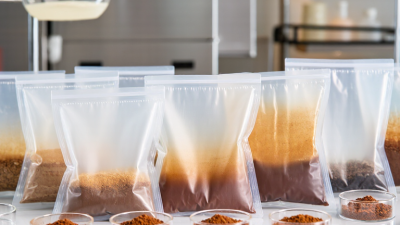
China’s reishi supplement industry is organized as a connected manufacturing chain, not a single factory model. Cultivators manage mushroom strains, growing conditions, harvesting, and drying. Specialized processors then produce powders, extracts, or concentrated liquids. It is layered. Some companies handle every stage, while others depend on qualified partners.
A reliable manufacturer usually coordinates formulation, capsule or tablet production, packaging, and batch release. Technical teams check moisture, active compounds, microbial limits, heavy metals, and pesticide residues. Testing may occur through internal laboratories and independent facilities. Records matter. Buyers should review raw material identity, extraction ratios, stability data, and traceability documents before comparing prices.
From a practical sourcing perspective, China’s industry includes contract manufacturers, ingredient suppliers, packaging firms, and export service teams. Many operate under GMP, HACCP, or ISO-based systems, although certification alone does not prove consistent quality. A careful audit should examine cleaning routines, calibration records, staff training, and complaint handling. Details decide. The system is efficient, but not flawless. Supplier websites can look impressive, yet factory capacity, testing depth, and documentation may differ significantly. A more honest evaluation also considers supply interruptions, seasonal cultivation changes, and whether the manufacturer can explain its process in clear, verifiable language.
Ranking China’s top reishi mushroom supplement manufacturers requires more than comparing prices. Grand View Research valued the global dietary supplements market at USD 177.5 billion in 2023, showing intense competition and rising quality expectations. A reliable manufacturer should provide GMP production records, ISO 22000 certification, batch-specific certificates of analysis, and full ingredient traceability. Testing should confirm beta-glucan and triterpene levels, moisture, heavy metals, microbes, pesticides, and undeclared additives. A polished brochure is not enough.
Manufacturing experience also matters. Review extraction temperature, fruiting-body origin, cultivation records, and stability data. Experts should distinguish true mushroom beta-glucans from cheaper starch-based polysaccharides. Independent laboratories using recognized AOAC or USP methods can strengthen credibility. However, laboratory reports may still vary between methods. That limitation deserves honest disclosure. Capacity, documentation control, packaging conditions, and export compliance should influence the ranking, not factory size alone. A spotless facility does not guarantee consistent batches.
Tips: Request three recent batch reports, not one sample. Compare test methods and detection limits. Ask for an on-site audit or verified video inspection. Check whether the manufacturer can explain unexpected results clearly. Transparent answers often reveal more than impressive certificates. Industry reports offer useful market context, but direct evidence should decide the final ranking.
Industry-based evaluation weights for private-label and export-oriented reishi supplement manufacturers
The scoring framework prioritizes manufacturing quality, product consistency, safety verification, and supply-chain transparency. The percentages represent evaluation weights rather than data from any individual company or brand.
China’s leading reishi supplement manufacturers differ in scale, extraction methods, and quality controls. This profile reviews ten representative producers, rather than declaring one universal winner. Manufacturer One focuses on hot-water extraction and publishes beta-glucan testing. Manufacturer Two operates a traceable cultivation base with controlled growing rooms. Manufacturer Three supplies powdered fruiting-body products for capsules and drink mixes. Manufacturer Four emphasizes low-temperature drying to protect texture and aroma. Manufacturer Five combines reishi with other permitted botanical ingredients. Manufacturer Six offers customized formulas and small pilot batches. Manufacturer Seven maintains separate raw-material and packaging areas. Manufacturer Eight specializes in standardized extracts with batch-specific certificates of analysis. Manufacturer Nine supports private-label production and export documentation. Manufacturer Ten invests in automated filling, metal detection, and warehouse monitoring.
Experience matters here. A reliable supplier should explain its mushroom species, growing substrate, extraction ratio, and testing schedule. Look for identity testing, microbial limits, heavy-metal screening, and clear lot numbers. GMP-style production is useful, but certification claims still require verification. Facility photos can help, yet they are not proof. Request recent documents directly. Some manufacturers describe “high potency” without defining active compounds. That wording deserves scrutiny. Reishi quality can vary between harvests, and even careful producers may have inconsistent documentation.
Tips: Compare at least three batches, not one sample. Check whether the certificate matches the product label. Ask how moisture is controlled during storage. Independent laboratory review adds confidence. Marketing language is often polished, but evidence should remain measurable.
Choosing the right Chinese reishi supplement manufacturer requires more than comparing prices. Start by checking the company’s production experience, facility controls, and documented quality systems. Ask whether the manufacturer can provide recent testing for heavy metals, pesticides, microbes, and active compounds such as triterpenes and polysaccharides.
Look closely at the mushroom source. Reliable suppliers should identify the species, cultivation method, growing region, and harvest date. Indoor cultivation may offer better consistency, while controlled wood cultivation can provide different material characteristics. Request batch records and a traceability process from raw mushroom to finished capsule or powder. Small details matter.
Request samples before signing a large order. Compare color, aroma, solubility, and laboratory results. A dark powder is not automatically a strong product. Review the extraction ratio and confirm whether carriers or fillers are used. Independent laboratory verification adds confidence, especially when supplier documents seem too perfect.
Visit the facility when possible, or arrange a live video audit. Check storage conditions, cleaning procedures, employee hygiene, and packaging controls. Discuss minimum order quantities, lead times, complaint handling, and stability testing in writing. Clear communication is useful, but it is not proof of quality. I have learned that polished presentations can hide weak records. Allow time to verify every important claim.
| No. | Evaluation Dimension | What to Verify | Relevant Standard or Evidence | Why It Matters |
|---|---|---|---|---|
| 1 | Manufacturing Authorization | Confirm that the facility has a valid business license and the required production permissions for its product category. | Chinese food production licensing requirements; product-category scope shown on official regulatory records. | A manufacturer should be legally authorized to produce the specific dosage form, such as powder, capsule, tablet, or liquid. |
| 2 | Raw Material Identification | Check the scientific name, cultivated or wild-grown status, geographic source, growing substrate, harvest date, and voucher or batch records. | Ganoderma lucidum or Ganoderma sinense should be clearly identified; supplier qualification and traceability records should be available. | Correct species and consistent sourcing reduce the risk of substitution, contamination, and batch variation. |
| 3 | Active-Compound Testing | Request batch-specific results for beta-glucans, triterpenes, polysaccharides, moisture, and other declared quality indicators. | A certificate of analysis should state test methods, specifications, actual results, laboratory identity, lot number, and test date. | Transparent testing makes it possible to compare potency and verify that label claims are supported. |
| 4 | Contaminant and Residue Control | Review testing for heavy metals, pesticide residues, microbial contamination, aflatoxins, and other risks relevant to the raw material and destination market. | Chinese food safety limits include GB 2762 for contaminants, GB 2763 for pesticide residues, and applicable microbiological requirements. | Mushroom products can accumulate environmental contaminants, so documented risk-based testing is essential. |
| 5 | Food Safety System | Verify documented hazard analysis, sanitation procedures, allergen controls, pest control, employee training, and corrective-action records. | HACCP principles and ISO 22000 certification are useful supporting evidence when current and within scope. | A certified system can demonstrate that food-safety hazards are identified and controlled throughout production. |
| 6 | Extraction and Processing Technology | Compare hot-water extraction, dual extraction, alcohol extraction, drying temperature, concentration ratio, and excipient use. | The process specification should define parameters, in-process controls, yield, and final product testing. | Processing conditions influence the profile of polysaccharides, triterpenes, flavor, solubility, and shelf stability. |
| 7 | Quality Consistency | Ask for representative certificates of analysis from multiple recent batches rather than relying on a single sample. | Batch records should include lot numbers, production dates, specifications, deviations, release decisions, and retained-sample procedures. | Consistency is more meaningful than a high result from one laboratory sample. |
| 8 | Private-Label and OEM Capability | Confirm minimum order quantity, formulation development, packaging options, artwork review, sampling procedure, and production lead time. | A written quotation and technical agreement should define formula ownership, specifications, tolerances, and change-control procedures. | Clear commercial and technical terms help prevent unexpected changes, delays, and packaging errors. |
| 9 | Export and Regulatory Support | Assess experience with destination-market labels, ingredient restrictions, import documents, health claims, and product registration or notification requirements. | Labels and claims must comply with the importing country or region; Chinese compliance alone does not guarantee overseas market access. | Regulatory mistakes can result in customs delays, relabeling costs, product detention, or market withdrawal. |
| 10 | Traceability and After-Sales Control | Verify one-step-back and one-step-forward traceability, complaint handling, recall procedures, storage controls, and product-liability arrangements. | Traceability records should connect raw-material lots, production batches, packaging materials, shipment records, and retained samples. | Effective traceability supports rapid investigation and targeted corrective action if a quality issue occurs. |
Selection note: The criteria above are designed for supplier comparison and due diligence. Certification, testing, and regulatory requirements should always be confirmed against the current rules of the intended sales market.
2025 Bio-Botanica, a division of Bio Answer Holdings Inc. All Rights Reserved.