Medicinal Plant Extracts are attracting attention from buyers seeking traceable ingredients for supplements, cosmetics, and other wellness products. Yet “natural” does not automatically mean consistent, safe, or suitable for every market. Buyers need evidence behind each specification.
The World Health Organization’s Global Report on Traditional and Complementary Medicine 2019 found that 170 of 194 Member States reported using traditional and complementary medicine. That figure signals broad relevance, but it does not measure extract sales or prove demand for any specific plant. The distinction matters. Market estimates also vary because reports may group raw herbs, finished medicines, and extracts differently.
This 2026 guide examines leading extract categories through a buyer’s lens: botanical identity, plant part, extraction method, active-marker profile, and batch-to-batch consistency. A label alone is not enough. Request the certificate of analysis, manufacturing details, and appropriate testing for contaminants, including heavy metals, pesticides, and residual solvents. Check that the documentation matches the material supplied and the destination market’s requirements. A clean certificate is not the whole story. Suppliers’ methods and evidence deserve scrutiny, too. Some details remain difficult to compare across vendors, and buyers should say so rather than assume every specification means the same thing. These practical checks can help global purchasers assess Medicinal Plant Extracts with greater care and make better-informed sourcing decisions.
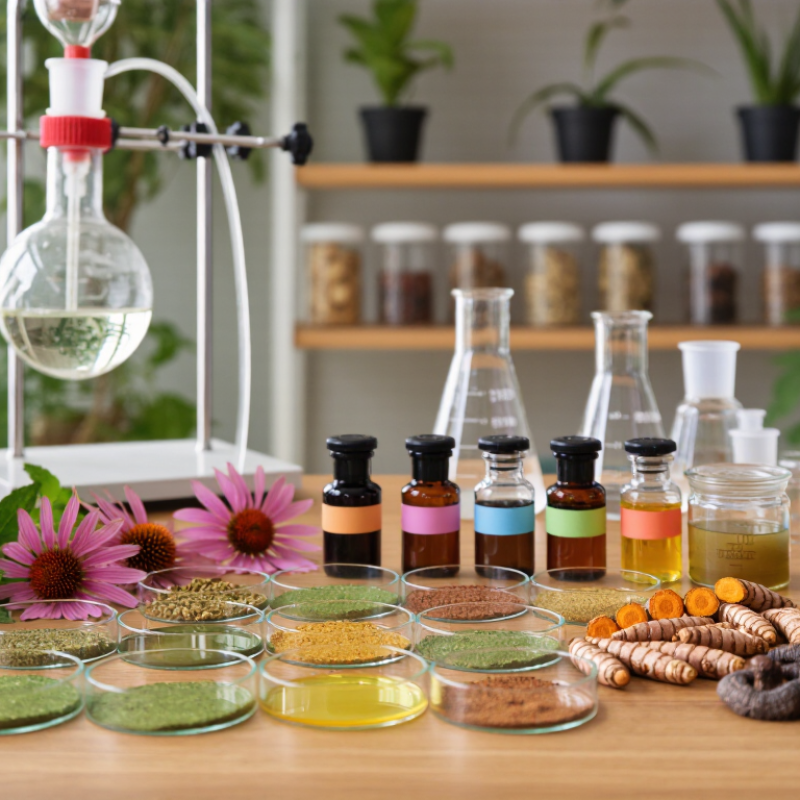
2026 Top Medicinal Plant Extracts for Global Buyers
Medicinal Plant Extracts Defined: Forms, Uses, and Key Buyer Terms
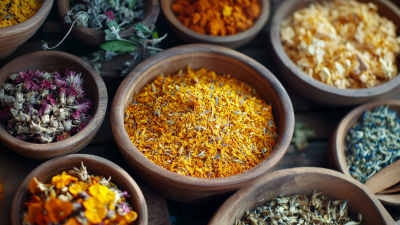
Medicinal plant extracts are concentrated ingredients made from plant parts such as roots, leaves, flowers, or seeds. They may be supplied as powders, liquids, or soft extracts. Buyers encounter them in products ranging from teas and cosmetics to dietary supplements. An extract is not the same as raw plant powder. Its composition depends on the plant material and processing method.
When comparing suppliers, check the botanical name, plant part, extraction solvent, and extract ratio. A 10:1 ratio describes the starting plant material used, but it does not alone prove potency. Ask whether the specification identifies marker compounds and lists carriers, moisture, and relevant contaminant tests. Review a batch-specific certificate of analysis, too. Terms can vary between suppliers, so clarify methods and units. Paperwork helps, but it cannot reveal every difference in taste, color, or handling.
Tips: Request a small sample and test it in your intended formulation. Check how the powder flows and disperses in water. Keep the agreed specification with each purchase order. One detail is easy to miss: a familiar extract name may still describe products with different profiles.
A practical overview of widely traded botanical extracts. The examples are not a market-share ranking; availability, specifications, and permitted uses vary by supplier and destination market.
| Botanical and common name | Typical plant part | Common extract forms | Commonly specified constituents | Typical commercial applications | Key buyer checks |
|---|---|---|---|---|---|
| Curcuma longa (turmeric) | Rhizome | Powdered extract; water- or solvent-extracted powder; oil-dispersible preparations | Curcuminoids; curcumin may be listed as an individual marker | Dietary supplement formulations, foods, beverages, and selected personal-care products | Confirm curcuminoid assay, carrier ingredients, dispersibility, residual solvents, and applicable food or supplement status. |
| Silybum marianum (milk thistle) | Fruit, commonly described commercially as seed | Dry extract; standardized powdered extract | Silymarin, a mixture of flavonolignans | Primarily dietary supplement formulations | Check the stated silymarin test method and assay basis, plant-part declaration, identity testing, and contaminant limits. |
| Camellia sinensis (green tea) | Leaves | Water-extracted or solvent-extracted powder; liquid extract | Total catechins and, where specified, epigallocatechin gallate (EGCG) | Foods, beverages, dietary supplements, and cosmetic formulations | Compare catechin and EGCG specifications; review caffeine content, intended-use requirements, and safety documentation for the target market. |
| Panax ginseng (Asian ginseng) | Root | Water or hydroalcoholic extract; powdered or liquid extract | Ginsenosides | Dietary supplements, functional foods, and beverages | Verify species, root processing description, ginsenoside assay, extraction details, and destination-market requirements. |
| Withania somnifera (ashwagandha) | Root, or root and leaves when declared | Powdered extract; water- or hydroalcoholic extract | Withanolides, with the plant part and analytical method stated | Dietary supplements and selected functional products | Confirm species and plant part, withanolide assay basis, residual solvents, contaminants, and whether the specification covers root-only material. |
| Zingiber officinale (ginger) | Rhizome | Powdered extract; liquid extract; oleoresin | Gingerols and related pungent constituents; specifications may use gingerol content | Foods, beverages, dietary supplements, and flavor applications | Check the extract type, marker assay, sensory profile, carrier or solvent details, and intended food-use compliance. |
| Glycyrrhiza species (licorice) | Root and stolon | Dry or liquid extract; glycyrrhizin-containing or deglycyrrhizinated preparations | Glycyrrhizin (also called glycyrrhizic acid); DGL products have reduced glycyrrhizin | Foods, confectionery, personal care, and selected supplement applications | Verify the species, glycyrrhizin level, whether the extract is DGL, and relevant use limits or labeling rules in the destination market. |
| Echinacea purpurea and other declared Echinacea species | Root, aerial parts, or both, depending on the product | Pressed juice, liquid extract, or powdered extract | May include alkamides, caffeic-acid derivatives, or polysaccharides; markers depend on species, part, and method | Dietary supplements and herbal preparations | Confirm exact species and plant part, extraction solvent, marker selection, and the analytical basis for any standardization claim. |
| Term | Meaning for a buyer | What to request or verify |
|---|---|---|
| Botanical identity and plant part | The named species and the specific part of the plant used as the raw material. | Latin binomial, plant-part declaration, identification method, and relevant test results. |
| Extract solvent | The liquid used to extract constituents, such as water or a specified food-grade solvent. | Solvent identity, processing details, and residual-solvent results where relevant. |
| Native extract and carrier | Native extract refers to the extract before added carriers or processing aids. Carriers may be added to improve handling or stability. | Native-extract percentage, carrier name and proportion, and the complete ingredient declaration. |
| DER (drug-extract ratio) | A ratio describing the amount of starting herbal material used to produce a quantity of extract. It does not, by itself, establish potency or equivalence between extracts. | DER definition and basis, plant-material input, native-extract amount, and extraction solvent. |
| Standardization and marker compound | A stated level or range for selected constituents used to describe or control an extract specification. | Marker identity, assay method, reporting basis, acceptance range, and batch test result. |
| COA (Certificate of Analysis) | A batch-specific document reporting results against a product specification. | Batch number, test methods, actual results, specification limits, and responsible laboratory details. |
| Contaminant testing | Testing for potential hazards such as heavy metals, pesticide residues, microbes, or mycotoxins, as appropriate to the material and market. | Applicable limits, methods, results, and a risk-based testing scope for the intended destination. |
| Traceability and regulatory status | Documentation linking the finished ingredient to its origin and confirming its suitability for the intended market and use. | Origin and lot records, manufacturing documentation, ingredient status, labeling needs, and import requirements. |
Buyer note: “Medicinal plant extract” describes botanical material and does not automatically mean that a product is approved to diagnose, treat, cure, or prevent disease. Confirm the applicable regulatory classification, permitted claims, specifications, and safety requirements for each intended use and destination market.