Top Reishi Extract Manufacturers in China?
China is a major sourcing destination for Reishi Extract, but choosing a manufacturer takes more than comparing prices. Product names can sound similar while their raw materials, extraction methods, and test results differ. A polished website is not enough. Buyers should look for clear answers about whether the extract comes from fruiting bodies or mycelium, how it is processed, and which compounds are measured.
This guide examines manufacturers through practical sourcing criteria: documented quality systems, batch traceability, production capacity, and accessible product specifications. A useful supplier should provide a recent certificate of analysis linked to a batch number, with test methods and results that buyers can review. Ask about beta-glucan measurement, contaminants, and residual solvents where relevant. Details matter. Even a neat certificate may leave questions if its methods are unclear or its data cannot be connected to the supplied lot.
The companies discussed here are intended as starting points for due diligence, not automatic endorsements. Claims about quality or performance should be checked against current documentation and independent testing when appropriate. Supplier information can change, and online descriptions are not always consistent. That is a limitation worth admitting. Comparing Reishi Extract manufacturers carefully can help buyers identify better-fit partners, but no single ranking replaces direct questions, sample evaluation, and a review of the evidence behind each product.
What Is Reishi Extract and How Is It Produced?
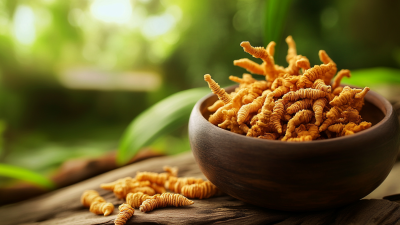
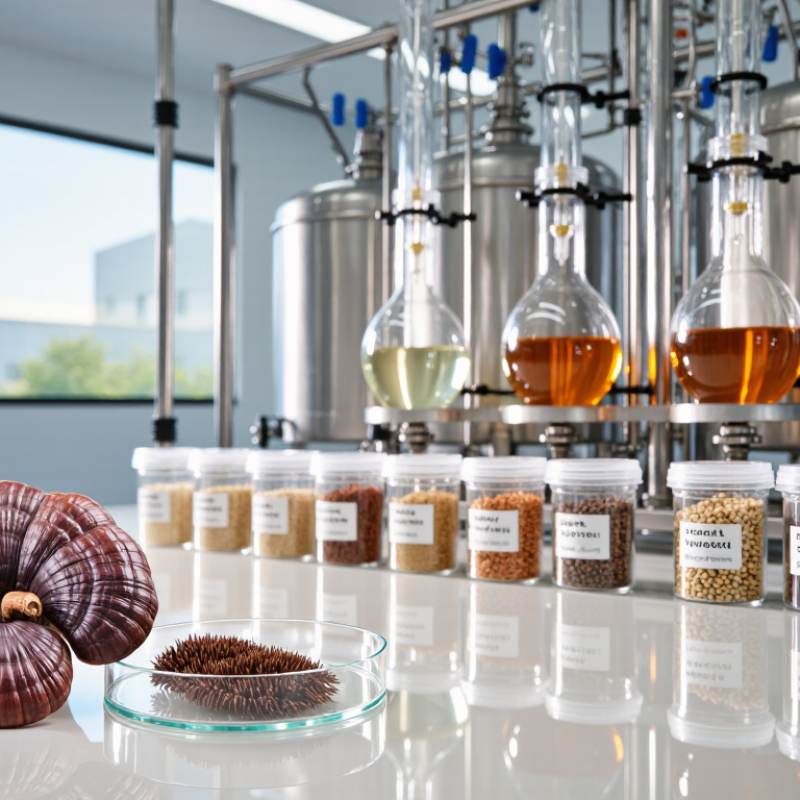
Reishi, commonly identified as Ganoderma lucidum, is a tough, woody mushroom used in food and wellness products. An extract concentrates selected compounds from its fruiting body or, in some products, its cultured mycelium. Hot water is commonly used to extract water-soluble polysaccharides; food-grade ethanol may be used to target less water-soluble triterpenes. The resulting liquid is filtered, concentrated, and dried into powder. That distinction matters. FAOSTAT’s 2022 production statistics record over 11 million tonnes of mushrooms and truffles worldwide, but do not report reishi separately. Treat this figure as broad context, not a measure of reishi supply.
In practice, production starts with cultivated material, often grown on hardwood-based substrate, then harvested, dried, and milled. Extractors adjust temperature, time, and solvent to suit the intended compound profile. Those choices affect yield and composition. A credible quality check should include identity, moisture, microbial limits, and relevant contaminants, alongside clear disclosure of the mushroom part used. A percentage on a label is not enough. I would not judge quality by color alone; batch testing and traceable records matter more. Even careful extraction cannot make every batch identical, so manufacturers should report methods and testing limits rather than imply perfect uniformity.
Reishi Extract Production: Typical Temperature Ranges
Reishi extract is commonly produced by extracting compounds from the mushroom’s fruiting body or mycelium, then concentrating and drying the liquid. The ranges shown are representative processing temperatures, not universal specifications; equipment, raw material, and product requirements can change them. Spray-drying temperature refers to inlet air.
Leading Reishi Extract Manufacturers in China
Leading Reishi Extract Manufacturers in China
China’s reishi extract sector includes producers with different raw-material sources, extraction methods, and quality systems. A reliable manufacturer should identify whether its extract comes from fruiting bodies or mycelium. That distinction affects the product profile. Ask how the mushrooms are identified, dried, and stored before processing. Clean, dry material should arrive with traceable batch records, not just a polished brochure.
Details matter. Buyers should review specifications for active compounds, moisture, and microbial limits, then check whether test results match the same production lot. Independent laboratory testing can add confidence, but the methods and testing scope deserve scrutiny. A high polysaccharide figure alone may not tell the whole story; the measurement method matters. Request an explanation of the extraction process, including the use of water or other food-grade solvents. Good suppliers answer clearly and provide consistent documentation. Some details may still be difficult to compare across factories, so a small sample evaluation can reveal issues that a sales sheet misses. Ask, listen, and verify.
How Chinese Manufacturers Compare in Quality and Capabilities
Top Reishi Extract Manufacturers in China
Chinese manufacturers differ most in raw-material control, extraction records, and laboratory capability. Ask whether the extract uses fruiting bodies or mycelium, and request the species identification method. Batch records should show the extraction solvent, temperature, concentration, and drying conditions. Small details matter. A brown powder’s appearance cannot confirm its composition.
The 2020 Chinese Pharmacopoeia sets Lingzhi crude-drug thresholds of at least 0.90% polysaccharides and 0.50% total triterpenes. These figures offer a reference, not a finished-extract guarantee. WHO’s 2011 Quality Control Methods for Herbal Materials also emphasizes identity, purity, and assay testing. Buyers should check whether suppliers provide validated methods, batch-specific results, and independent laboratory reports.
A stronger factory can explain how it controls moisture, contaminants, and variation between lots. Look for traceable raw materials and clear procedures for handling rejected batches. Compare certificates carefully: different test methods can produce numbers that look comparable but are not. This comparison is imperfect. A certificate alone cannot reveal how consistently a plant is managed, so a recent audit and representative batch data help fill the gap.
Key Factors to Consider When Choosing a Supplier
When comparing reishi extract manufacturers in China, treat supplier selection as a verification task, not a price comparison. Ask which part of the mushroom is used and how it is extracted. Check whether the stated ratio describes raw material input or finished extract. These details change what a specification means. Request a current product specification and a batch-specific certificate of analysis. Check beta-glucan and triterpene test methods, moisture, microbial limits, and heavy-metal results. A number without its test method is hard to interpret.
Reliable suppliers should explain how they control incoming mushrooms, drying, extraction, and batch consistency. Ask for traceability records linking a batch to its source and production date. Review audit documents and independent laboratory reports where available. Confirm that each report matches the exact lot. Communication matters, too. Can the technical team answer a specific question, or does it send a generic sheet? Small inconsistencies deserve follow-up. Documents can look polished and still leave gaps.
Tips: Compare samples with the same specifications, then record results from a small pilot test. Confirm packaging, shelf-life data, and lead times in writing. If a claim sounds unusually broad, ask what evidence supports it.