In 2026, choosing a Turkey Tail Mushroom Extract supplier takes more than comparing prices or attractive packaging. Buyers need clear information about the mushroom species, extraction method, and finished-product testing. A dark powder and a bold label prove very little. Details matter.
Mycologist Paul Stamets has described mushrooms as “miniature pharmaceutical factories.” That perspective invites care, not grand promises: a mushroom’s potential and an extract’s quality are different questions. For this supplier overview, useful signals include transparent ingredient specifications, batch-level testing, traceable sourcing, and consistent documentation. Extraction details matter, too, because hot-water and dual-extraction products may differ in composition. A supplier should explain its process plainly, rather than hide behind technical language.
The following list considers suppliers through practical buyer questions: Can they provide recent analytical results? Do they identify the species and disclose carrier ingredients? Are their claims measured and responsibly worded? These checks do not guarantee a perfect product. They do make comparison more grounded. Some supplier information may also be incomplete or difficult to verify; that is worth saying plainly. A polished website is not independent evidence. Use the list as a starting point, then request current documents and assess each supplier against your intended application, quality requirements, and budget.

Top 10 Turkey Tail Mushroom Extract Suppliers in 2026
Understanding Turkey Tail Mushroom Extract and Its Common Uses
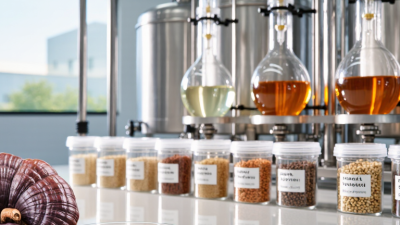
Turkey tail, or Trametes versicolor, is a fan-shaped mushroom often recognized by its layered brown, cream, and rust-colored bands. Its extract is commonly sold as powder or capsules, and sometimes added to tea or other drinks. Extracts may contain polysaccharides, including beta-glucans, but their composition depends on the mushroom material and processing method. Products can differ considerably. The label alone may not reveal those differences.
People commonly use turkey tail extract as a dietary supplement, often as part of a broader wellness routine. Research into its compounds continues, but a supplement should not be presented as a cure or a replacement for medical care. Evidence and product quality vary. That deserves a little skepticism. Anyone with a health condition, taking medication, or considering use during treatment should ask a qualified healthcare professional first.
Tips: Check that the label identifies the mushroom species and lists the extract form and serving size. Look for clear testing information covering identity and contaminants, rather than relying on vague quality claims. Store powder in a cool, dry place, and keep the scoop clean. If the product causes discomfort, stop using it and seek professional advice.
This chart summarizes the type of evidence associated with selected topics, not how well an extract works. Evidence stages are ordinal: preclinical research, human studies, and clinical use of PSK as an adjuvant medicine in Japan. PSK is a specific preparation and should not be assumed equivalent to retail turkey tail supplements.
Top 10 Turkey Tail Mushroom Extract Suppliers in 2026
How Turkey Tail Extract Suppliers Are Evaluated in 2026
Evaluating turkey tail extract suppliers starts with the batch, not the brochure. Ask for a recent certificate of analysis tied to a specific lot. It should identify the test methods and report relevant measures, such as beta-glucan content, moisture, and microbial results. A large “polysaccharide” number alone can be misleading because it may not show how much beta-glucan the product contains. Look for clear testing details, not impressive-looking figures without context.
Production and traceability matter too. Ask whether the extract comes from the fruiting body or mycelium, what extraction process is used, and how raw materials are tracked. A dependable supplier can explain these choices in plain language and provide consistent documentation across batches. Check whether independent laboratories verify key specifications and whether the supplier can share stability data for the product’s stated shelf life. Samples can help assess color, odor, and solubility, but they cannot replace laboratory testing. Supplier comparisons are not always neat; methods and reporting formats differ, so direct comparisons may remain imperfect.
Tips: Request a lot-specific report before ordering. Confirm test methods, traceability, and storage guidance. Keep a record of unanswered questions.
Supplier-neutral evaluation framework: This table compares ten supplier profiles buyers may encounter; it does not identify or rank specific companies. The evidence requests are practical due-diligence checks, not claims that any particular supplier holds a certification or meets a particular specification.
| No. | Supplier profile | What to verify | Useful documentation or test | Evaluation focus |
|---|---|---|---|---|
| 1 | Fruiting-body extract specialist | Confirm the declared mushroom part is the fruiting body of Trametes versicolor, rather than mycelium or a mixed-material product. | Product specification, raw-material identity records, batch-specific certificate of analysis (COA), and a documented identity-testing method. | Clear species and material-part declaration; traceability from incoming raw material to finished batch. |
| 2 | Mycelium-based ingredient producer | Check the growth substrate, whether substrate is present in the finished ingredient, and how the product's composition is described. | Manufacturing-flow description, substrate statement, ingredient specification, and batch COA. | Transparent labeling and composition data; avoid treating mycelium and fruiting-body extracts as interchangeable. |
| 3 | Organic-certified ingredient supplier | Verify that the certificate is current and covers the relevant product, site, and handling activities in the intended market. | Certificate issued by an accredited organic certifier, certificate scope, and applicable transaction or lot documentation. | Certification scope and chain-of-custody alignment; an “organic” claim alone is not proof of certification. |
| 4 | Hot-water extract producer | Ask which extraction steps are used and how the supplier defines the extract ratio and finished-product specifications. | Process overview, extract-ratio definition, batch specification, and relevant constituent test results. | Reproducible process information; do not compare extract ratios without confirming how they were calculated. |
| 5 | Dual-extraction producer | Confirm whether water and alcohol extraction are both used, and whether the final ingredient is tested for residual solvents where relevant. | Process description, residual-solvent results when applicable, and a batch-specific COA. | Transparent extraction method and suitable finished-product testing; “dual extracted” should be supported by process records. |
| 6 | Beta-glucan-standardized supplier | Check the beta-glucan specification, test method, reporting units, and whether the method distinguishes beta-glucans from alpha-glucans. | Method-identified laboratory report or COA, with results tied to the specific production lot. | Method transparency and batch-level results. “Total polysaccharides” should not be presented as equivalent to beta-glucan content. |
| 7 | Third-party-tested supplier | Review testing for relevant microbiological hazards and contaminants, including heavy metals, based on product form and destination-market requirements. | Recent lot-specific laboratory reports showing methods, units, results, and laboratory identity; confirm any limits against applicable requirements. | Complete, interpretable results rather than a generic claim that the product is “tested.” |
| 8 | GMP-oriented contract manufacturer | Confirm the manufacturing site, quality system, batch-release controls, and applicability of certifications or regulatory registrations. | Current quality certificates where held, audit information where available, batch records, and written release procedures. | Documented controls and a certificate scope that covers the actual site and product activity; verify claims independently. |
| 9 | Bulk ingredient exporter or distributor | Trace the ingredient to its original manufacturer and production lot; review storage, repacking, and transport controls. | Manufacturer disclosure under suitable confidentiality terms, lot-traceability records, shipping documents, and storage specifications. | Supply-chain visibility and continuity between the original batch COA and the delivered material. |
| 10 | Custom-formulation supplier | Assess whether the supplier can support the requested dosage form, ingredient compatibility, packaging, and shelf-life requirements. | Finished-product specification, stability data appropriate to the product, packaging information, and change-control documentation. | Evidence for the finished formulation—not just the raw extract—and clear control of formulation or process changes. |
Comparison note: Request documents for the exact product and production lot being considered. Specifications, organic status, testing limits, and regulatory obligations vary by product type and destination market; verify them with the relevant certifier, laboratory, or regulatory authority.
When comparing turkey tail mushroom extract suppliers in 2026, check what the product is made from. The label should identify Trametes versicolor and state whether the material comes from the fruiting body, mycelium, or both. These sources are not interchangeable, and vague wording makes comparisons difficult. Details matter.
Ask for a recent certificate of analysis tied to a specific production lot. It should report beta-glucan content and explain the test method, rather than relying on broad “polysaccharide” figures alone. Review results for heavy metals, microbial contamination, and residual solvents where relevant. A clean-looking certificate is not enough if it lacks dates, methods, or an independent laboratory’s details.
Sourcing records also deserve attention. Suppliers should be able to describe where the mushrooms were cultivated or collected, how batches are traced, and what extraction process is used. Ask whether water or other food-grade solvents are involved, and how the extract is dried and stored. These details can affect consistency from one lot to another. Ask for the method. Compare sample specifications with the commercial lot, not just a brochure. Even careful checks leave some uncertainty; documentation can be incomplete, and supplier answers may need follow-up. Keep written records of what was verified.
Choosing a turkey tail mushroom extract supplier in 2026 takes more than comparing prices. Buyers should examine the species identification, the part of the mushroom used, and the extraction method. Clear documentation matters. Ask for a recent certificate of analysis for each batch, with identity, microbial, and heavy-metal results. A polished brochure is not proof.
A useful supplier can explain whether its extract is standardized, and what the stated measurement actually represents. Terms such as “polysaccharides” can be vague unless the testing method and units are disclosed. Check whether samples match production lots, and whether packaging protects the powder from moisture and heat. Small details count. A damp inner seal can tell you more than a sales call.
The top 10 suppliers worth considering in 2026 should offer traceable sourcing, consistent specifications, responsive technical support, and realistic lead times. Request samples and compare color, aroma, solubility, and paperwork side by side. These checks do not establish a product’s medical benefit; they help assess its identity and quality. I would not treat one strong test result as a guarantee of every future batch. Ask how deviations are handled, and keep the answer in writing.
Matching a turkey tail mushroom extract supplier starts with the product you actually need, not the supplier’s broadest catalog. Decide whether you want fruiting-body extract, mycelium, or a clearly specified blend. Ask how the material is identified and extracted, and whether the process uses hot water, alcohol, or both. These details affect composition and fit. Request a recent, lot-specific certificate of analysis, not a generic sample sheet. Check whether it reports beta-glucans separately from total polysaccharides; the latter figure alone can be hard to interpret. Useful records also cover identity, moisture, microbial limits, and heavy metals. Ask which test methods and laboratories support the results.
Then compare operational fit. Confirm minimum order quantities, lead times, packaging options, and how the supplier handles specification changes. Ask for a retained sample and a written process for investigating out-of-specification batches. If you sell into several markets, verify that documentation suits each market and product category; requirements can differ. Speak with technical staff, not only sales, when a formulation question matters. A polished PDF is reassuring, but it is not proof by itself. Sometimes the most useful answer is a careful “we need to check.” Compare sample performance in your own formulation, including odor, color, and how it disperses after mixing. A supplier can look perfect on paper and still miss your practical needs. That is worth admitting early.
2025 Bio-Botanica, a division of Bio Answer Holdings Inc. All Rights Reserved.